ABS 2013 – Sexual Selection with Cody Dey

Image

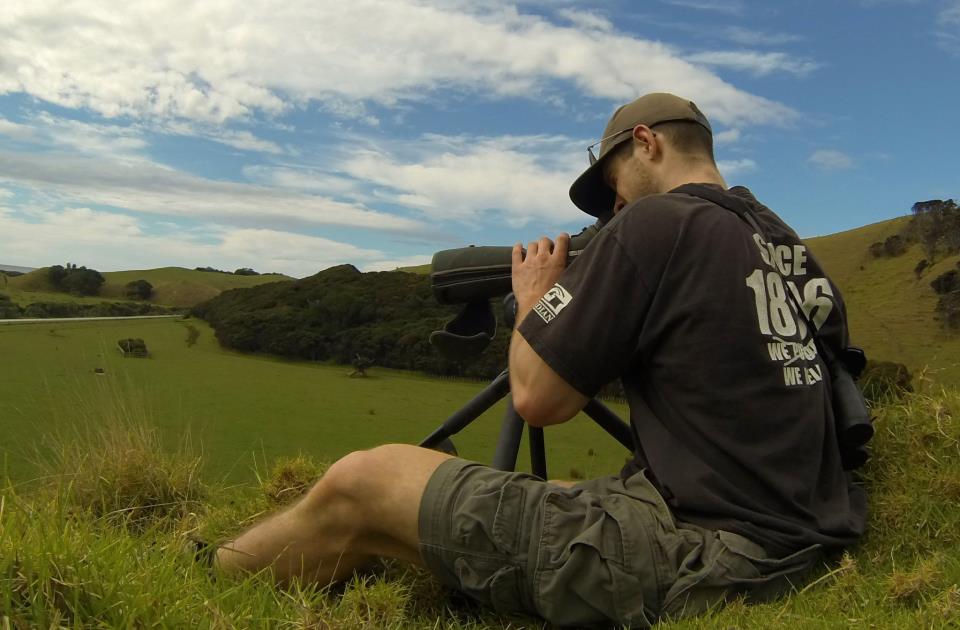
Cody Dey is an evolutionary ecologist who studies social behaviour in birds and fish. He is primarily interested in signalling, mating systems, whiskey and beards.

As you have probably heard in Isaac’s previous incarnations of “Weird Bio Sh*t”, animals do some crazy stuff. Some of the craziest traits and behaviours we observe in the natural world are those that are involved in reproduction. For example, males of many species of birds have extremely elaborate ornamentation and behaviours (check out the wild dances and songs in this video) that are used to attract mates. The evolution of traits used only for reproduction is extremely interesting to behavioural biologists because these traits are the product of strong selection (if you don’t mate your genes are quickly removed from the gene pool), however sexually selected traits often decrease the survival of their bearer (e.g. the peacock’s long tail makes it more prone to predation because it is bulky and conspicuous).

Sexual selection was first thought up by Charles Darwin himself. Typically, we think of sexual selection occurring when females choose a mate from a pool of different males. In order to stand out, males have evolved special attractive traits that are used to broadcast how sexy they are to females. Alternatively, sexual selection can also occur when males have to fight to gain access to females. In this case, males often evolve complex weapons that are used to duke it out (think moose antlers or fiddler crab craws).

This year at ABS, there was a great deal of discussion of how, why and when sexual selection occurs in animals and what consequences it has on the natural world. Robin Tinghitella told us how female choice for mates can be affected by mate availability and age. Apparently, female sticklebacks (a species of fish) are less choosy when males are harder to come by. Also, female sticklebacks get less choosy as they age. The ability of females to adjust how choosy they are allows female sticklebacks to balance the goal of gaining a high quality mate with the costs of not getting a mate at all.

We also heard how sexual selection can lead to speciation (the process of creating new species!). Biologists first thought that sexual selection might be involved in speciation when they looked at closely related animals and noticed that the primary difference between many species is in male ornaments. Since these ornaments are usually produced by sexual selection, it seems likely that sexual selection has some role in creating new species. Dr. Rebecca Safran showed that in different populations of barn swallows, females prefer either males with longer tails or males with darker breast plumage. Since females have different preferences in these different populations, it is possible that the different populations will diverge into different species (as males gain longer tails in one population, and darker breasts in the other population).

Finally, we heard how male white-crowned sparrows use the colour of their crown as a signal of dominance. Males with more white on their crown are dominant over those with less white on their crown. These ‘status signals’ determine which males get the best territories and therefore get to mate. However, status signals are thought to be advantageous to all males because they can be used to resolve conflict without resorting to a full on fight, which can be extremely costly because the combatants could get injured. Status signals are common in males of many species, but behavioural biologists are still struggling to explain how these signalling systems remain honest. It is still somewhat unclear why subordinate individuals don’t grow large status signals in order to appear more dominant, but there are some emerging ideas of why this kind of ‘cheating’ may not be beneficial.

Sexual selection is still a field of intense interest for biologists even though Darwin first formalized the idea in 1871. It is likely the study of sexual selection will continue indefinitely because it produces some of the most interesting behaviours we observe in the natural world. Additionally, sexual selection is a dynamic process that is being affected by our changing environment and the tools available for the study of sexual selection are evolving at an astronomical rate. Indeed, it is truly an exciting time to study the sex lives of animals.
ABS Highlights (Part 2)

Image

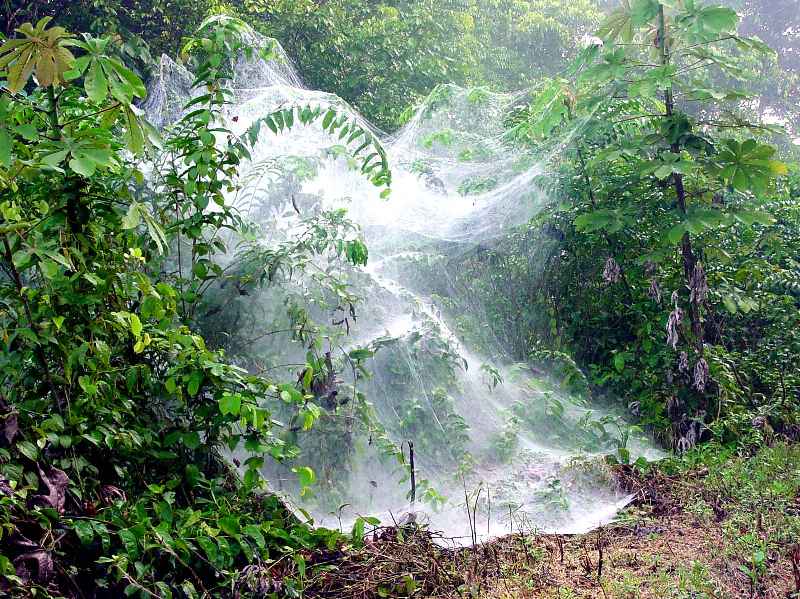
Photo of a Social Spider nest – from http://www.texasento.net

There have been a number of really cool talks at this years ABS conference. I’ll briefly describe a  few that have been particularly interesting to me:

Duck penis morphology:

You may have heard in the news recently about Dr. Patricia Brennan and her research on duck penis morphology. While I could spend a whole post justifying why she should receive NSF funding for this work, she explained it extremely well here. Dr. Brennans talk at ABS focused on plasticity (changes in an organisms characteristics in response to environment) in duck penis morphology. Some species of ducks have high rates of forced extra-pair copulations (rape), and these species typically have larger and more complex penis structures to more efficiently inseminate females. Dr. Brennan predicted that social context would influence the growth of penises in these species. She found that in the species with more forced extra-pair copulations there was increased plasticity – males grew larger penises to deal with increased competition for females when multiple males were housed together with females.

Personality in Founding Individuals:

In light of HIREC (Human Induced Rapid Environmental Change), some species are entering new territories. Dr. Jonathan Pruitt suggests that the personalities of these founding individuals is important for understanding the pattern and success of these invasions. Personalities, or behavioral syndromes, are repeatable patterns of individual behavior across context. Variation in personality has been found in an immense number of species. In social spiders, Dr. Pruitt has found variation in how bold and aggressive these individuals are. When an individual forms a new colony, they deal with other spider species that parasitize their immense nests. Aggressive individuals kill these parasites off, while more docile spiders tolerate the other spiders. While colonies founded by docile spiders are initially more successful, in the long run they are far more likely to collapse than those founded by aggressive spiders.

Agricultural Amoebas:

Humans aren’t the only species that tries to privatize resources. Dr. Joan Strassmann described a species of bacteria-eating amoebas in which some colonies farm several species of bacterium. Some are kept as a food source; while another, which they cannot eat is farmed for its chemical product which they use as a weapon against non-farming competitor colonies.

Look forward to a post in the next few days from Adam Reddon on the Agonism (fighting) session which occurred this afternoon!

ABS 2013 – Day One with Dr. Constance O’Connor

IMG_6189

Dr. Constance O’Connor is a postdoctoral fellow at McMaster University in Hamilton, Ontario, Canada. She studies the mechanisms underlying social behaviour in cichlid fishes, and is trying to understand how social behaviour evolved, and how environmental stressors affect social behaviour.

———————————–

When most people think of a behavioural biologist, I suspect that the image that comes to mind might be something along the lines of an earnest, scatter-brained David Attenborough with a clipboard. Clad in a Tilley hat and Wellington boots, clutching a clipboard and binoculars, your behavioural biologist can give an enthusiastic discourse on the mating habits of the sugar crab, but needs help finding his spectacles. In other words, I suspect that when most people think of a behavioural biologist, they don’t think of someone who is particularly practical, and the research is not usually considered particularly useful.

A growing group of behavioural biologists is trying to change this, and a special symposium at the 50th Animal Behaviour Society meeting was dedicated to discussions of how behavioural research can be applied in practical, useful ways to guide wildlife management. Animal behaviour is a rapidly changing field, and behavioural biologists are now using new tools and new approaches to understand why some animal populations are declining, and how to reverse these alarming trends.

Traditionally, behavioural biologists have examined how evolution has shaped animal behaviour. Why do animals do what they do? In todays rapidly changing world, however, these behaviours that have been shaped by thousands or millions of years of natural selection are often no longer be adaptive. Newly hatched sea turtles head towards city lights instead of the ocean. Naïve island birds don’t recognize invasive cats as potential predators. Fish migrating upstream are stymied by a dam, and spend the rest of their days swimming into the concrete. Male beetles are so enchanted by beer bottles – the biggest, shiniest beetles they have ever seen! – that they no longer mate with female beetles. In todays changing world, behavioural biologists therefore need to research not just how evolution has shaped animal behaviour, but also understand and predict how animals will behave in a world with habitat alterations, pollution, invasive species, and a changing climate.

Through the symposium, there were positive examples of how behavioural biologists have already helped wildlife managers. For example, behavioural biologists have helped reduce the number of animals hit by vehicles, reduce the bycatch of dolphins and sea turtles in fisheries, and helped discourage bears from harassing visitors in National Parks. More importantly, there were discussions throughout the symposium about how animal behaviour research can be better used in the future to understand and solve conservation problems. The take-home message of the symposium was that behavioural biologists are already poised to contribute practical solutions to the current biodiversity crisis. The only thing left to do is for us, the behavioural biologists, to take up the challenge! We need to put on our Tilley hats and Wellington boots, and march off into our rapidly changing world to research both why animals do what they do, and how to make sure that animals can keep doing it for generations to come.

ABS 2013

I’m a little embarrassed I haven’t posted anything since returning from Zambia (I’ll post a recap sometime soon), but Jenn, Adam, Connie and I are currently at the Animal Behavior Society meeting in Boulder, CO. This is one of the major annual meetings for our field, and consistently has a large number of very interesting talks.

In years past while at this conference, I’ve sent a daily e-mail to friends recapping some of the most interesting and unusual talks of the day. Scanning through the schedule, I can already tell there is going to be some really cool stuff. This year, these e-mails will appear on this blog, and I’ve also invited a few friends to contribute to the daily updates. 

Sometime tonight or tomorrow look forward to a post on today’s talks from Dr. Constance O’Connor who is currently doing a post-doc at McMaster University in Hamilton, Ontario.


Work is done!

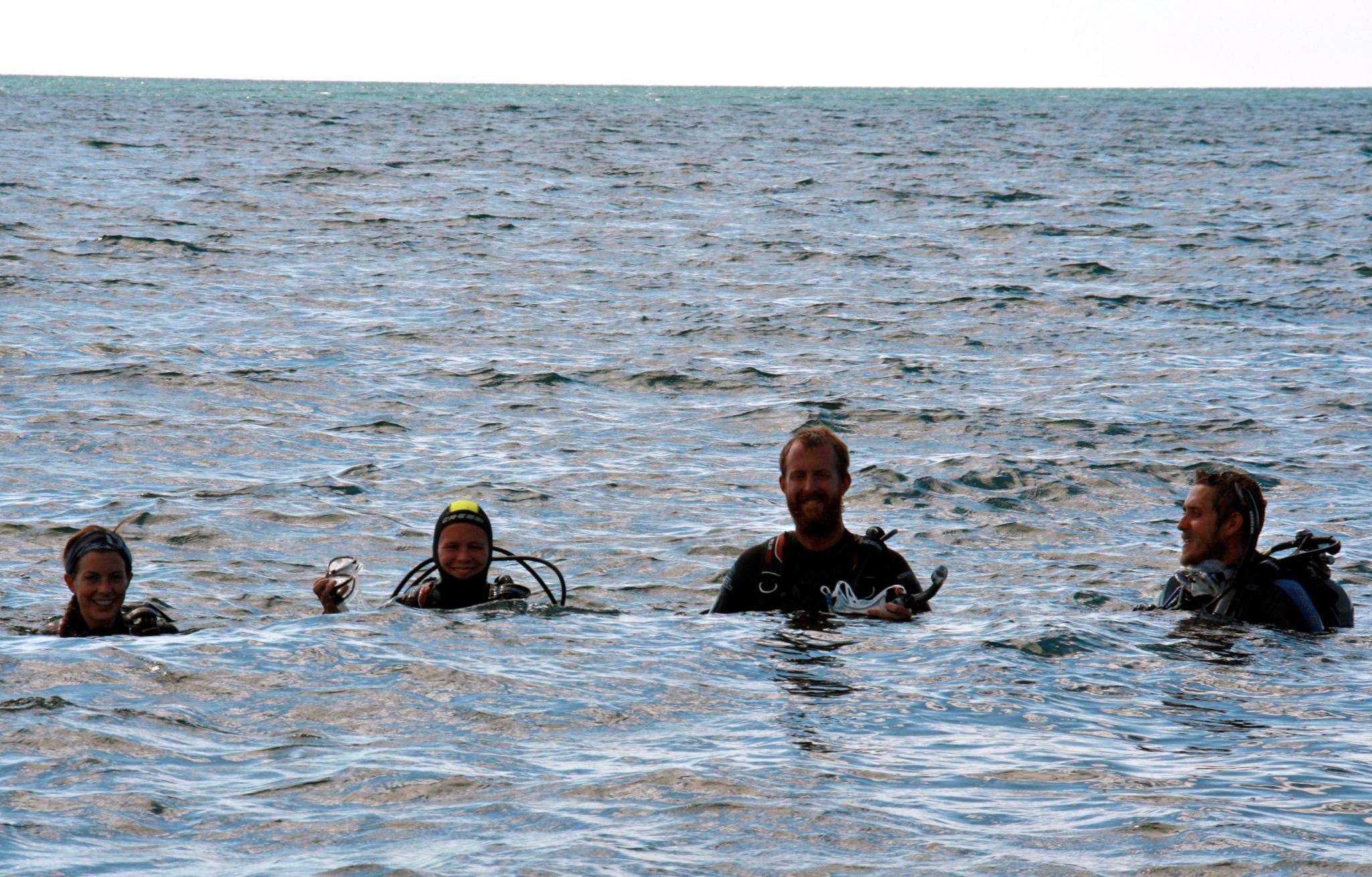
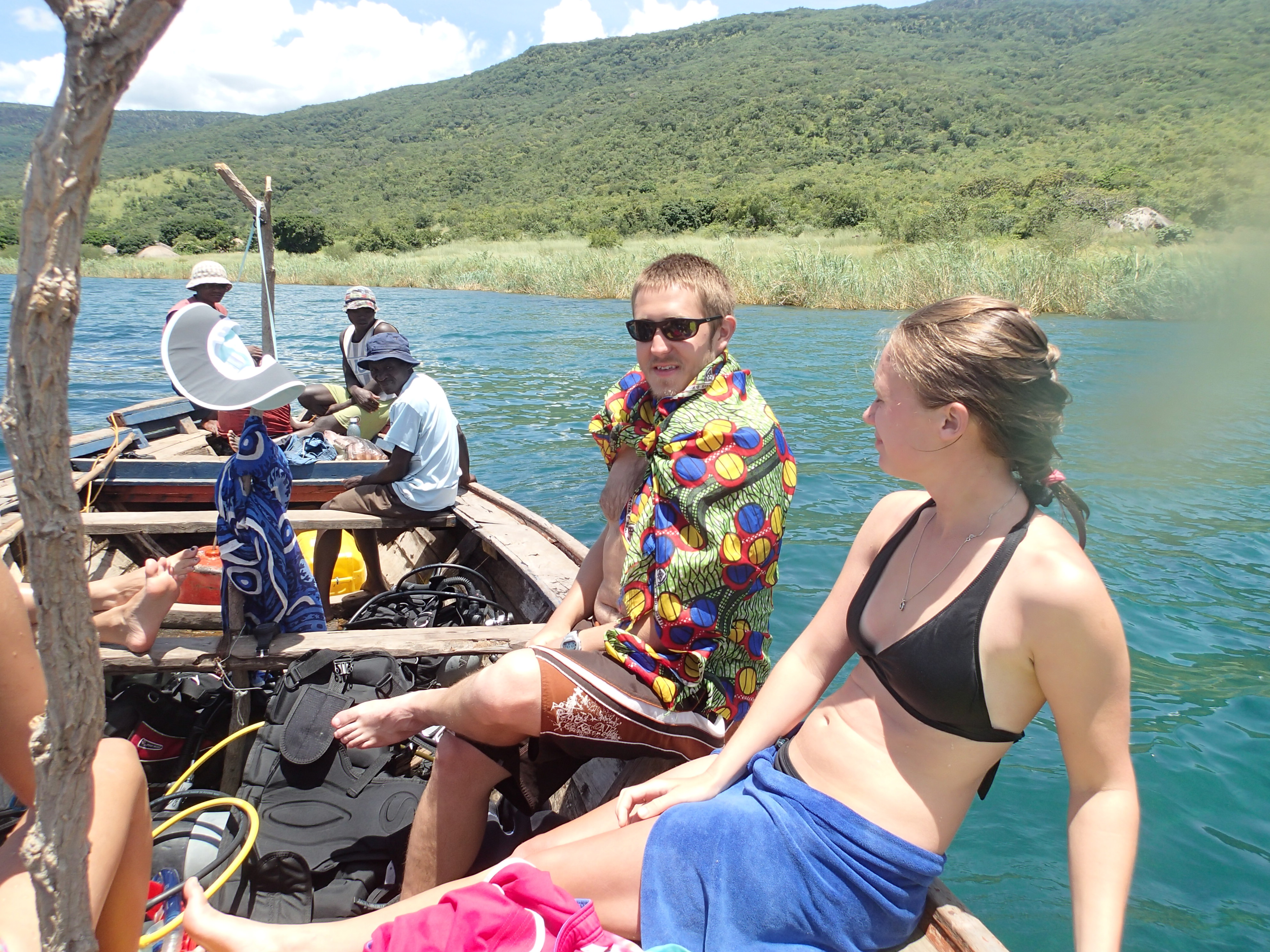
the fab 4

Its been a long few months. 90 dives. 4.85 days underwater. A ton of experiments complete. A bad ass beard.

We completed our final dive this morning, and spent the day packing gear and dropping off equipment staying in Zambia at fisheries. The visibility has gotten better overall, but it wasn’t as great this morning as I’d hoped for a perfect final dive. Plus my observations didn’t go as well as I would have hoped. But its done.

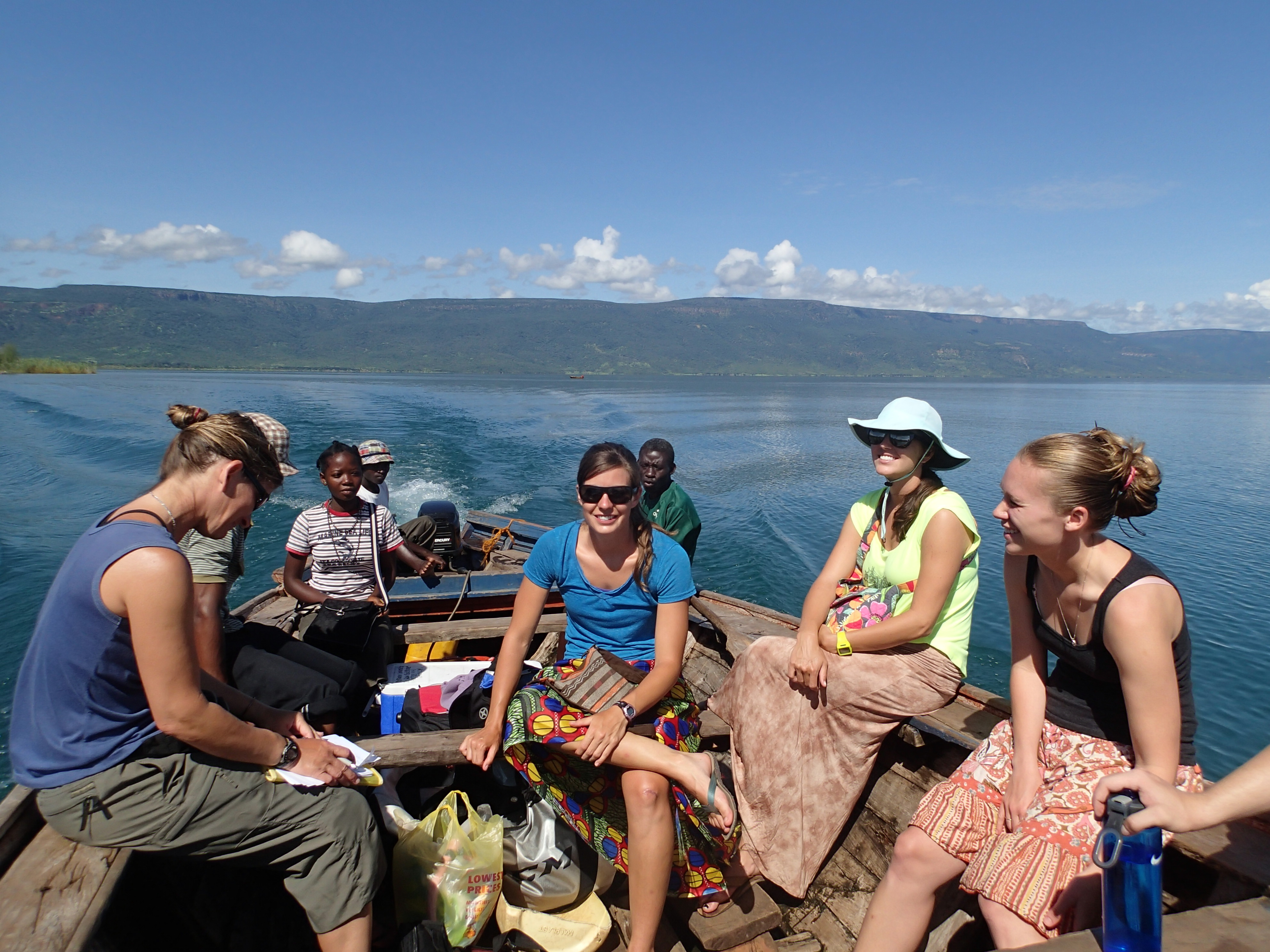
Tomorrow we take the 18 hour bus ride back to Lusaka, after which we need to run some errands around town before departing for a bit of a holiday to cap off our trip. Rumor has it there are other interesting animals to see in Africa besides cichlids, so we are going on a safari at South Luangwa National Park. We’ll be staying at Flat Dogs (www.flatdogscamp.com), which is supposed to be one of the best in Zambia.

After the safari, we’ll be on our way back to North America and surely be perplexed by the lack of random children shouting “how are you?,” looking north to see weather that will arrive a day later, and stinking amazing sunsets over the ridge.

Getting stuff done

Image

With only a few weeks left at the Lodge, we’re working extra hard to get everything done. Today we finished one project, and we’re hoping to have more done in the coming days. We’ve been making progress, but visibility has been a nightmare the last few days. Once we get deeper than 6 meters we can’t say more than 2 meters away, and everything closer than that is murky. In spite of only diving during the day I’m very glad I brought a dive flashlight.

Lake Tanganyika undergoes a regular upwelling cycle around this time of year in which nutrient-rich water from the depths rises and reinvigorates the more-shallow ecosystem. This is the primary nutrient source for basically everything that lives in the lake. We’re not sure, but given the visibility and the consistent gentle current, we’re worried it may have already happened, which means the water won’t be getting any clearer anytime soon. Hopefully we’re wrong.

I realize this week I’ve missed the Cichlid of the Week, so here it is, I’m covering a whole genus:

Image

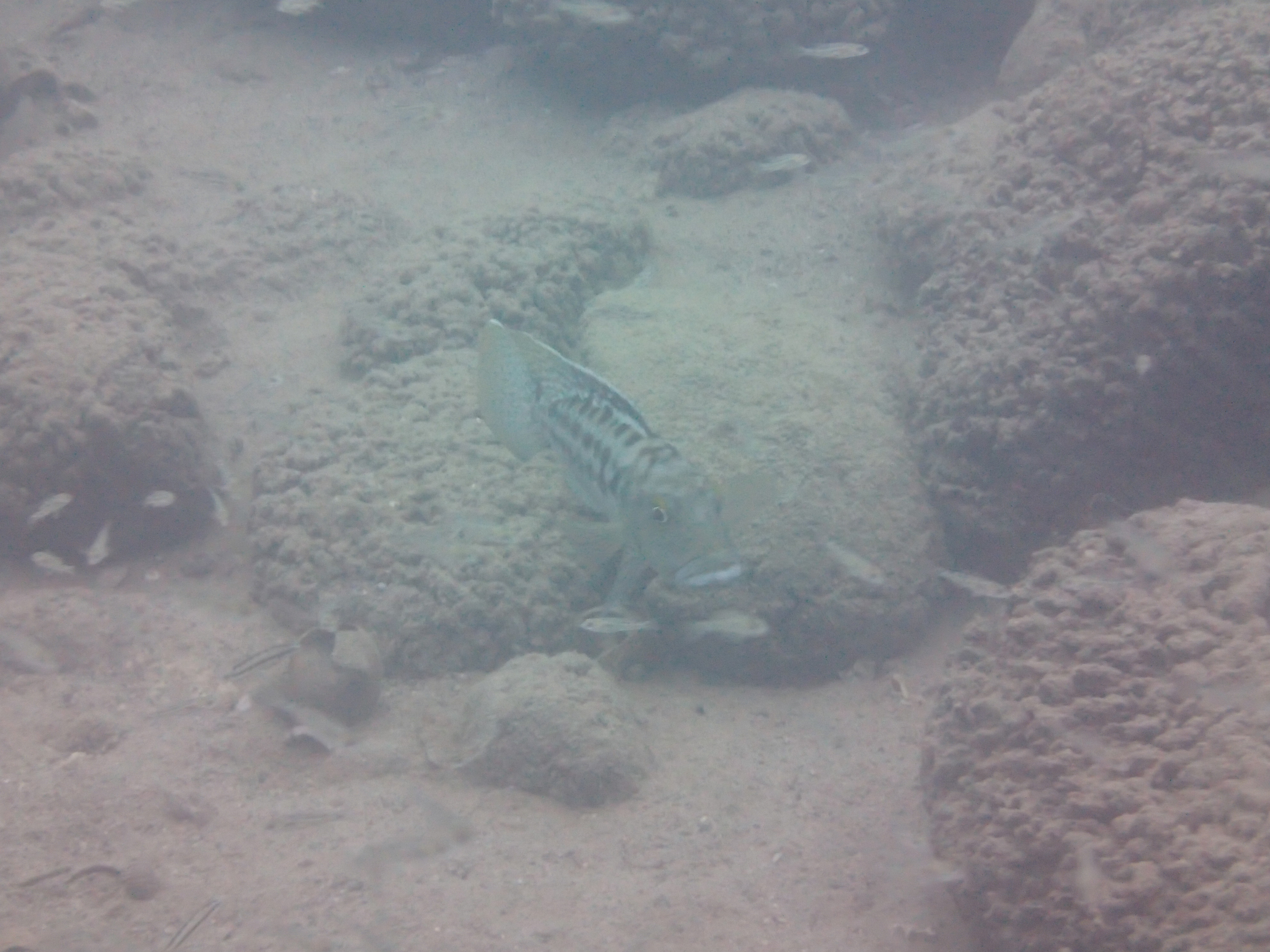
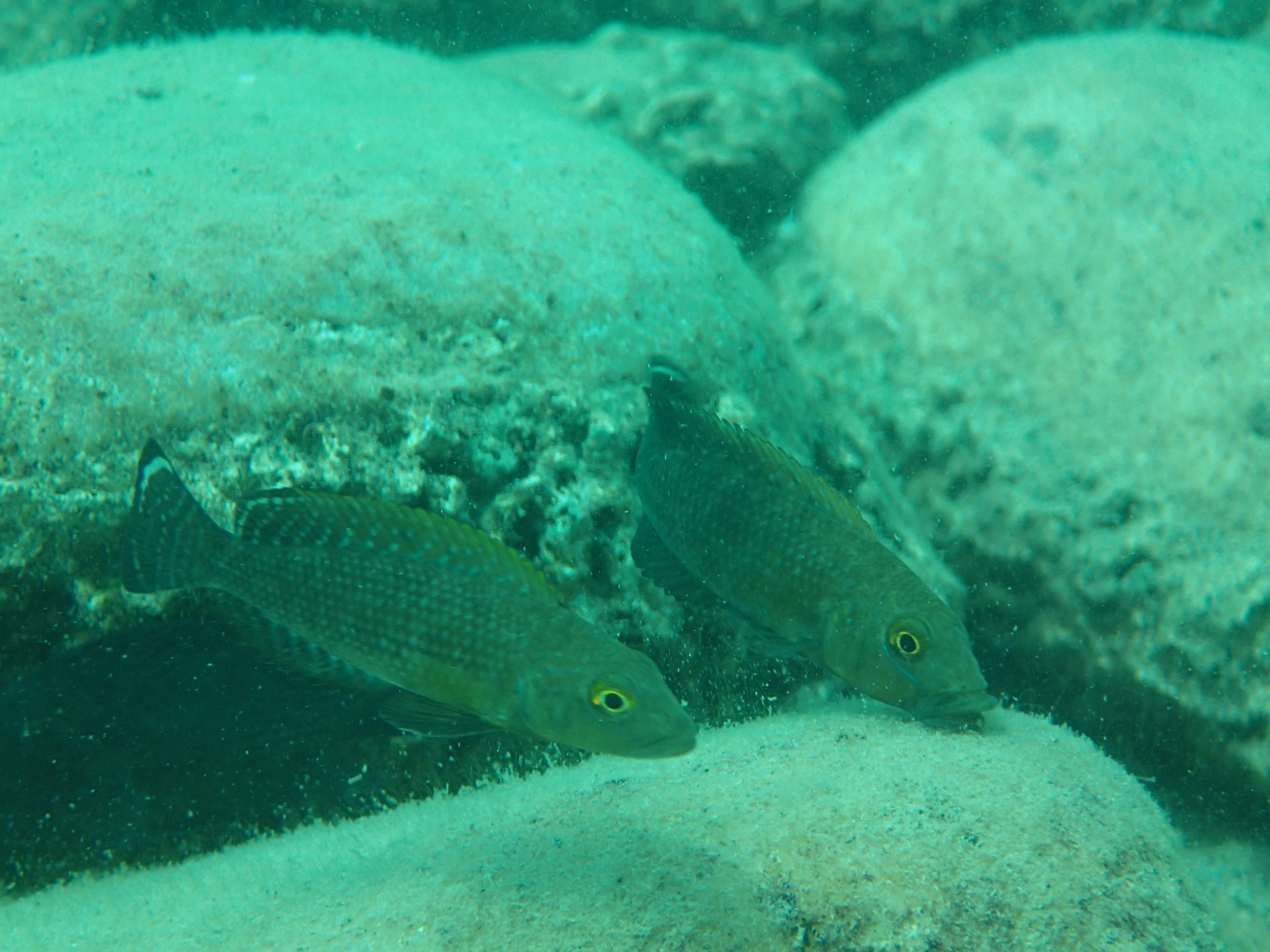
Lepidiolamprologus lemarii: The largest of the three Lepidiolamprologines we see regularly, males maintain territories of generally more than one female which they do not play nicely with. Generally they keep each of their females right next to their breeding shelter and they migrate between each of his females to check in on things. In the picture above you can see the male (larger fish) hovering over one of his much smaller females. Though I’ve never actually seen one eat a fish I’m trying to study, I have my suspicions…

Image

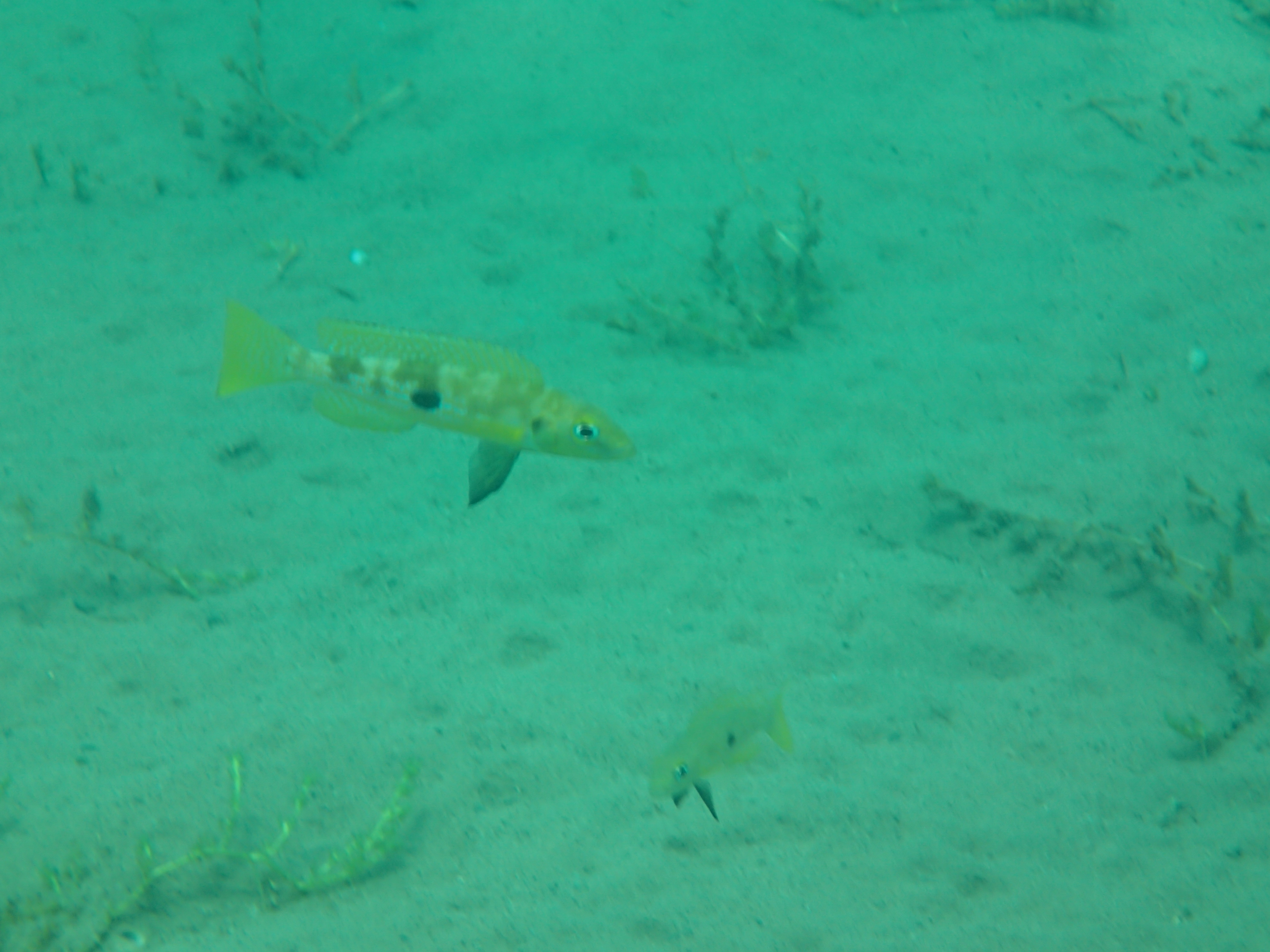
Lepidiolamprologus attenuatus: The smallest of the Lepidiolamprologines we see regularly, juveniles form large schools in the open water and have a gift for getting caught in fence nets. Mature adults form breeding pairs and defend their eggs and fry for long periods of time. We’ve been fascinated by the variation in coloration. Juveniles are tan with a black spot on either side, adults (here) are brown and mottled, and a bit west of here at Katoto the adults are bright yellow (see above).

Image

Lepidiolamprologus elongatus: These are the roving predators of the N. pulcher colonies. I’ve dealt with watching these guys take out fish that I’d hoped to run experiments on multiple times. The pair above decided to raise their offspring right in the middle of a number of fish I’d set up a long term study with. In spite of my irritation, these fish are really cool and I’m glad I’ve gotten to see a fish that I have read so much about.

Cichlid of the Week: Julidiochromis ornatus

OLYMPUS DIGITAL CAMERA

Above: Julidiochromis ornatus – the masked bandit of Lake Tanganyika.

Like a few other species here in Lake Tanganyika, J. ornatus is a cooperative breeder; meaning that they form groups in which smaller individuals don’t reproduce (usually) and help raise the offspring of the breeding pair.

The cooperative system in the Julies gets a bit more complex however. In the breeding pairs the male or female can be larger, and fish preferentially form groups so that one or the other is substantially larger. When the male is larger, the social system is typically polygynous. This means the male mates with multiple females in the group. In most cases, the female is larger and the system is the opposite. The term for this is polyandrous, meaning “many males,” and she keeps a harem of males around.


Cichlid of the Week: Lamprologus callipterus – the mob

OLYMPUS DIGITAL CAMERA OLYMPUS DIGITAL CAMERA

I should start by saying I have a love-hate relationship with these fish. As you can see, they are very attractive fish. At a certain level, they can be considered ecosystem engineers for the shell beds they construct; shell beds that a number of species (including last weeks cichlid of the week) rely on. Territorial males collect shells and defend patches of shell bed. Successful males maintain a harem of females who live inside the shells where they lay their eggs. Less successful males are on the lookout for great shells they can steal.

The males are far too big to fit inside, but because of the drastic size dimorphism between the sexes the females have no issues. These are reasons I really like these fish, now for the reasons they test my patience…

As I said, territorial males are much larger than females, and they don’t grow that big overnight. Juveniles form schools sometimes numbering in the hundreds that move all around the lake floor where they essentially pillage the territories of other fish. As “the mob” descends onto territories, they all start picking up mouthfuls of sand, eating whatever they come across, send the other fish into a panic, then leave just as fast as they arrived. They do a fine job of messing up observations, and they also have a gift for getting caught in our fence nets. And it’s never just one that gets caught in the net either.

In the end these are pretty cool fish, in spite of their gift for frustrating me.

A few days of relaxing…

Go Bucks!

Having dove twice a day more or less every day since arriving, we have decided to take a couple of days to rest up and recuperate before the final drive of our field season. Its been a fun, relaxing, and entertaining few days!

On both Friday and today a number of police, navy, and other government officials have been at the lodge learning how to SCUBA dive. They’re a very friendly bunch, but none of us had any idea they’d be here. Apparently most of them learned to swim last week and from my perspective they’ve gotten comfortable with the whole thing very quick.

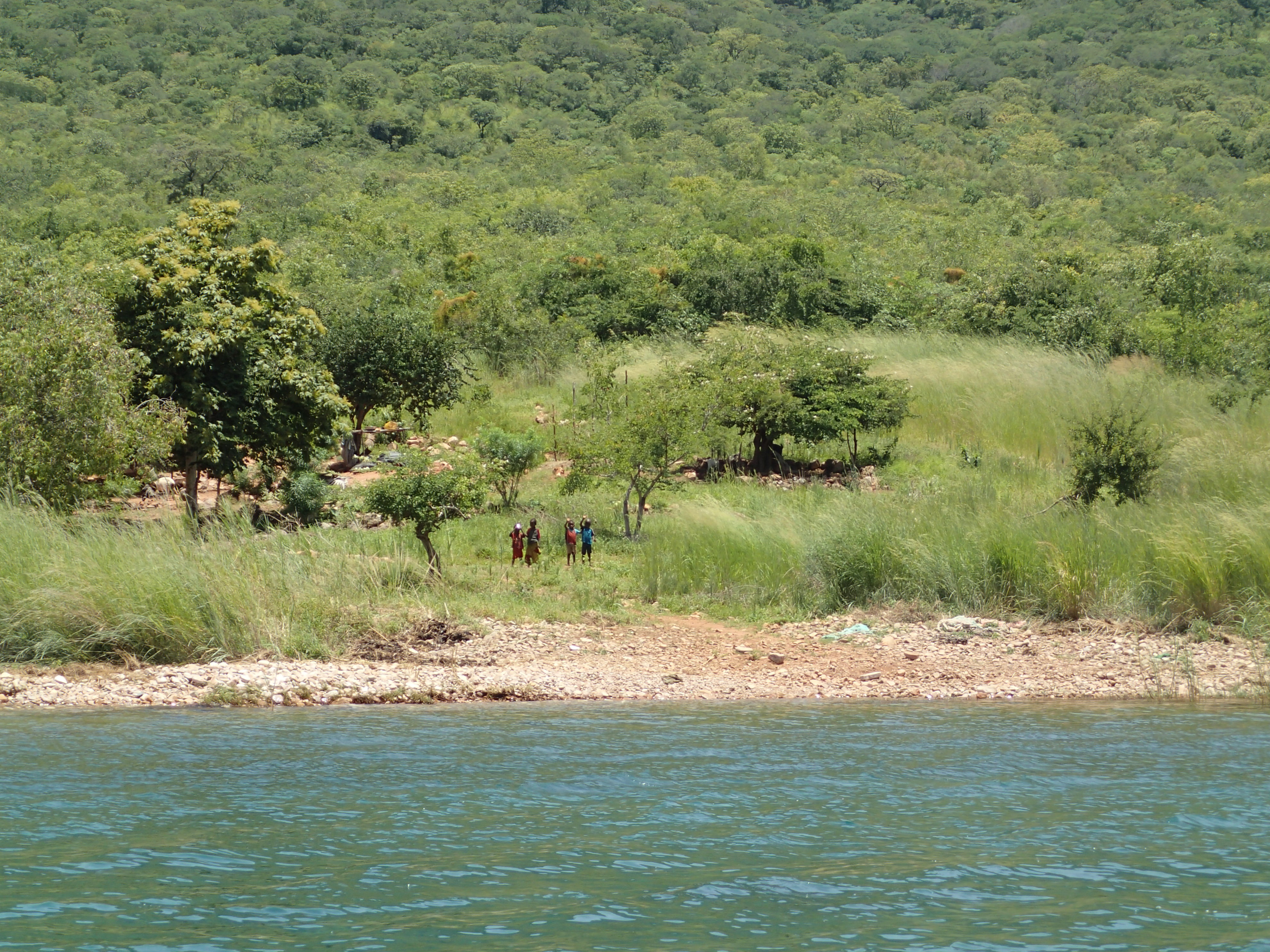
Yesterday we went back to Katoto for a fun dive to see all the fish in the rock garden. The rock garden is an area in 3-5 meters of clear water that has huge boulders as well as abundant aquatic plants. For whatever reason, this site has tons of fish, and most of them are way brighter than they are here. It was a great time, and both our bottle filler Fernandez and our boat drivers Damias and Mr. Kupembwe joined in for a fun swim. A bunch of kids on shore who in all likelihood may have never seen a Muzungu were waving from shore and yelling “Hey, Muzungu!” for our entire visit.

These kids found us swimming much more interesting than anything else going on.
Adam rocking out a shatanga.

Cichlid of the week: Neolamprologus multifasciatus

OLYMPUS DIGITAL CAMERA

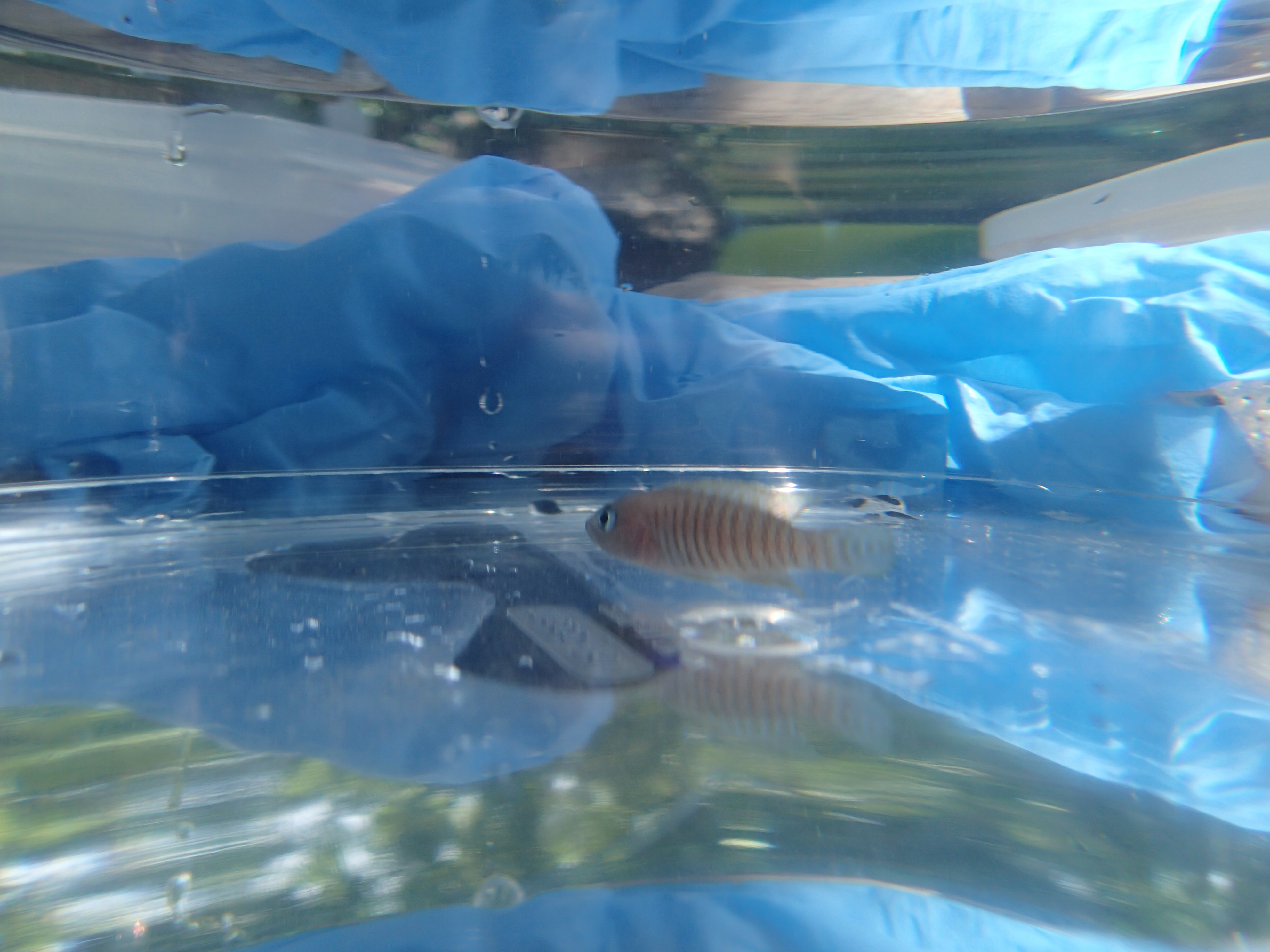
Above: A little “multi,” sadly where we found them was at 15 m off the east coast of Mbita Island; a little too deep for my camera, so you have to settle for a shot of this little guy we brought up with us.

Last week I wrote about the worlds largest cichlid, its only fitting that this weeks feature be the worlds smallest, which also lives in this lake. Neolamprologus multifasciatus is a tiny fish maxing out just over 2 cm. They live in shell beds in which each male defends a plot of shells and all the lady multi’s that call those shells home. The shell bed we were working on was huge, empty gastropod (snail) shells as far as the eye could see (which depending on the visibility was 1-7 meters). 

Don’t let the small size fool you, these little guys are kings of their domain. The males duke it out to make sure their neighbors don’t get too close to their territory, and the males “police” the females living in his territory to make sure their fights don’t get out of line. Of course, each fish has its own little shell for safety in case a bigger (any) fish comes along looking for a meal. The plan works great until the predator happens to be a researcher who just picks up the shell. Eventually getting them out of the shell was a huge pain however…