Field Work 2017

The major goal of my postdoctoral fellowship project is investigating the impacts of human induced rapid environmental changes (HIREC) on natural selection in wild populations. To do so, I’m comparing modern populations of western mosquitofish (Gambusia affinis) to historical populations of fish collected at these same sites. These sites are unique from one another in the extent to which they’ve been influenced by human impacts they’ve faced.

Winters
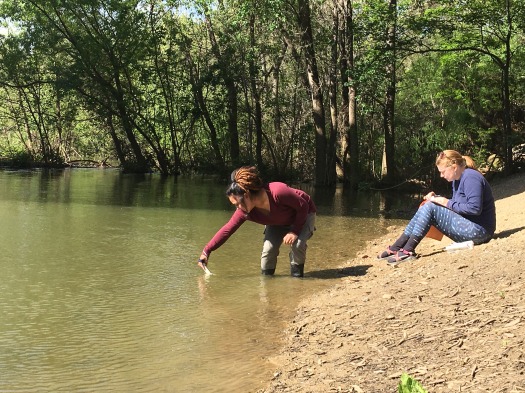
Rechelle measuring water temperature as Amelia records data.

Thus far, I’ve collected fish at each site twice, first in the spring, and again this summer. At each site, my amazing team and I caught fish, photographed them for morphometric analysis, and collected tissue samples from a subset of them for future molecular analysis (look for more info on that in future post!).

IMG_0741
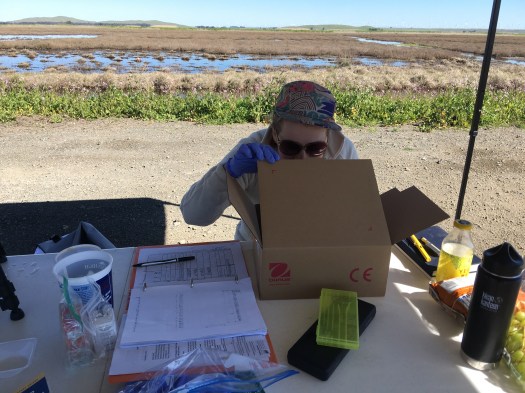
Amelia mastered the art of using the scale in windy conditions.

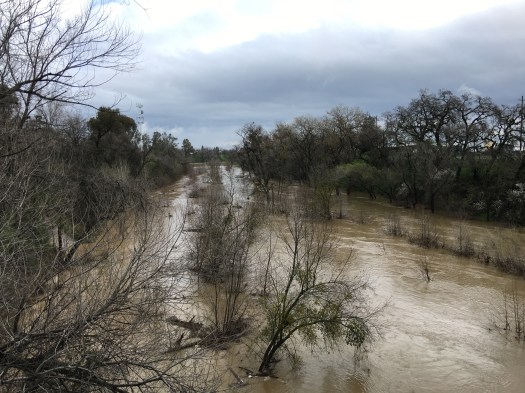
In the spring, we were delayed due to near-record rainfall we received this year in California. At one site, we literally couldn’t get within miles of the collection site because of flooded roadways. Eventually, the water receded enough that we could catch the fish in the parking lot at the site.

IMG_0673
Putah Creek water levels were extremely high through early summer (photo taken Feb. 18, 2017).

In spite of the amount of rain winter brought, it was a typical California summer and on our second visit to sites we were working in mid to high 90 degree heat. Finding fish was much easier however, and we only had to return to one site for a second day.

IMG_1565
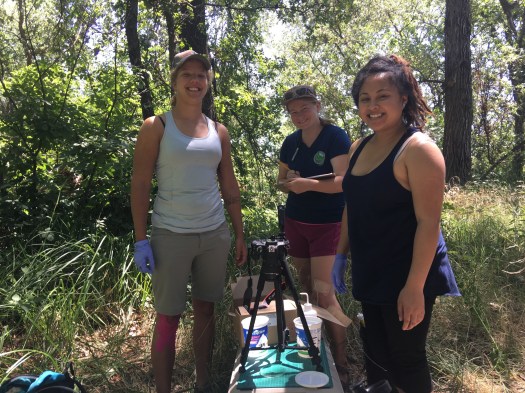
Asha, Amelia, and Rechelle (L to R) working at our field site near Redding, CA.

We’re looking forward to seeing and sharing the results of this work!

SICB Highlights – Part 2


img_0388

The rest of SICB was great, as was the rest of the time in New Orleans. The second day of the conference was rainy day, followed by a few unseasonably cold days, so it’s fitting that many of the talks I attended revolved around environmental stressors and measuring their impacts on organisms.

Behavioral and physiological responses to stress – Dr. Kimberly Rosvall, Indiana University

Dr. Rosvall described a study she performed on male Dark Eyed Juncos to understand how they responded to perceived territorial intrusions by other male birds. A common and well-accepted way to bird researchers trick birds into thinking another bird is intruding on their territory is to play audio samples of those birds singing. One experimental group had heard song clips the entire day before samples were taken (persistent social intrusion group), another heard 25 minutes of song before sampling took place (acute social intrusion group); both groups were compared to a control group which heard no songs.

Male birds in both experimental groups sang more than control group birds, indicating that they believed a competing male to be in the area. That males in the persistent social intrusion group sang frequently was interesting because they hadn’t heard a competitor’s song that day; it was a residual effect of the previous day’s songs. Physiologically, males that had heard songs were upregulating genes that indicated they were producing more sperm (a common response in many species to perceived competition over mates). These males that had heard songs also were upregulating particular genes in their brains associated with sending signals from the brain. Most interestingly, the spleens of birds in the persistent social intrusion group had shifted gene expression of genes associated with the immune system, suggesting that there is an actual cost to engaging in competition with other males.

Measuring Hormones in Whale Baleen – Dr. Kathleen Hunt, N. Arizona University

OLYMPUS DIGITAL CAMERA
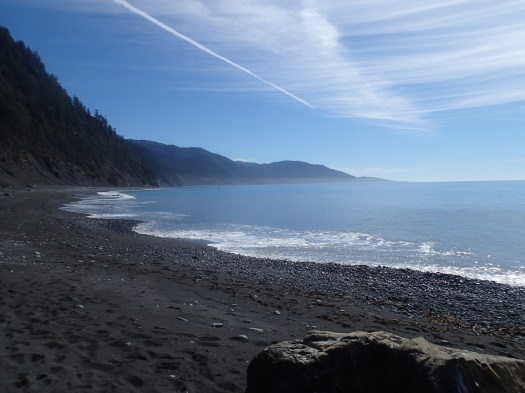
Using this new protocol, hormone levels over as many as 10 years can be measured from deceased whales such as this Humpback Whale. Lost Coast, Kings Range National Conservation Area (Autumn 2016).

Dr. Hunt studies the hormone levels in baleen whales, but as you can imagine acquiring blood samples from whales can be a bit difficult. One method that is frequently used (but inherently difficult) is to follow whales in a boat and collect fecal samples as they float to the surface. Dr. Hunt described a new method she is utilizing to measure hormone levels in baleen whales – measuring the baleen itself.

Hair samples are used to measure hormones in many animals, and these samples are especially useful because as hair grows, it can give you a historical record of hormone levels over time. Because baleen is a modified hair, Dr. Hunt predicted she could measure hormone levels in baleen. She was correct, and her preliminary findings indicate that a number of hormones can be measured by examining baleen samples. This is especially useful because baleen can represent up to 10 years of the whale’s life, and there are abundant baleen samples in museums around the world!

Alternative Mating Strategies and Parasites – Dr. Susan Balenger, University of Mississippi

Many species have parasites that specialize on them, and often these species evolve adaptations to avoid succumbing to these parasites. A species of cricket that lives on Pacific Islands face a predicament because a parasitic fly that specializes on crickets is attracted to the chirp male crickets use to attract mates. If a male cricket tries to attract mates, he becomes more vulnerable to the parasitic fly laying eggs on him which will eventually hatch and eat his internal organs before erupting out of his body – killing him in the process.

On two Hawaiian Islands, a “flat wing” mutation has emerged in cricket populations leaving them unable to chirp. This mutation is advantageous in that males are less vulnerable to the parasitic fly, but they cannot attract mates. In order to breed, these males are more likely to wander in search of mates. On islands where the parasitic fly is abundant, these “flat wing” males have been very successful and have become more abundant (~95% of males on one Hawaiian Island).

Dr. Balenger raised some of these crickets in environments in which they heard other males chirp, and others without any chirping males. While all of the experimental crickets were capable of chirping, males from islands that had a large number of “flat wing” males were more likely to wander in search of mates if they had been raised without the sound of chirping males. Dr. Balenger attributed this plastic behavioral trait to the evolutionary pressure imposed by the parasitic flies – if there aren’t chirping males, there may be lots of flies and that male may be better off wandering rather than calling.

Lizards and Fire Ants: Effects of Maternal Stress – David Ensminger, Penn State University

Fire Ants are a problematic invasive species in many parts of the world, including the southeastern United States. There they share habitat with the Eastern Fence Lizard. Fire Ants are known to bite, kill, and eat fence lizards (as well as a number of other native species), and pose a real threat to ecosystems which they invade. It is clear that fire ant presence and bites are a stressor for these lizards, but David and his colleagues were interested in whether such stressful situations may have a lasting impact on the offspring of these individuals.

To test this, David collected gravid females and dosed half of them with the stress hormone corticosterone. These females then laid eggs, and David confirmed that indeed some of that corticosterone had transferred into the eggs by testing for its presence in the yolk (it was there). He then let these eggs develop and hatch, and found a number of differences between the experimental and control groups, including that those whose mothers had been stressed had lower corticosterone levels, and were longer than the control lizards. In future studies, David will be investigating whether these changes are beneficial to the offspring, or maladaptive and indicate that fire ants could be problematic for fence lizards.

Some amazing dinner at Gumbo Shop, and great music at Bourbon Maison!

SICB 2017 Meeting Day 1

img_0417

Today was the first full day of The Society for Integrative and Comparative Biology (SICB) conference in New Orleans. It was a long day full of great talks and socializing with colleagues old and new over delicious food!

I spent most of the afternoon in the Division of Animal Behavior (DAB) Best Student Presentations, and I heard a number of excellent talks presented by graduate students from around the US and Canada. I’ll highlight a few of the most interesting talks and topics I heard:

Parasites controlling Stickleback behavior – Lucie Grecias, Université Laval                    

Threespine Stickleback often have a flatworm parasite that is known to influence the behavior of the stickleback to make it less risk averse and more likely to be eaten by wading bird predators (for more on this see THIS LINK). Such parasitic relationships have been described in a number of systems including MICE, and even hypothesized to occur in HUMANS.

These researchers were interested in understanding the mechanistic basis of this behavioral shift. Using a very interesting approach in which the researchers compared parasitized fish to those being dosed with pharmaceutical drugs (including fluoxetine – Prozac) to compare the behavioral responses as well as gene expression in the fish’s brains. While the drugs did replicate some of the behavioral shifts, they did not find similar patterns of gene expression.

Snail Personality and Response to Predation Risk – Chris Goodchild, Oklahoma State University 

This was a very cool talk! This research group began by investigating whether snails differ consistently in their behavioral traits (what behavioral ecologists describe as animal personality). Indeed, snails vary consistently in boldness versus shyness, which was measured based on exploration of a novel habitat and latency to open their shell after a disturbance.

They exposed some of these snails to a predator cue to determine how life experience influences their behavior and physiology. After 28 days, the shy snails had developed stronger shells, the openings of which were differently shaped than shy control snails. The researchers hypothesized that when facing a real predator, bold snails move away quickly (by snail standards) after the interaction, while shy snails stay put and wait out the threat.

New Orleans Food Of The Day – Cochon Butcher            

Pastrami Sandwich with Marinated Brussels Sprouts and Parish Brewing Farmhouse IPA.

img_0433

An update from California

This past year has consisted of a number of big events, each of which should have received the attention of its own post. While some certainly will, I wanted to post a brief summary of what is new.

Round Goby Research at Stone Laboratory

OLYMPUS DIGITAL CAMERA
REU student Alex (left) out trawling for goby.


I had an outstanding REU student while at Stone Laboratory who completed a research project on resource holding potential in the round goby, Neogobius melanostomus. Alex Maytin, an undergraduate student attending Boston University did outstanding work collecting fish, setting up behavioral trials, and dissecting fish. We’re currently still rescoring videos of the behavioral trials, but the results will be presented at SICB this winter in New Orleans!

Field Behavioral Ecology at Stone Laboratory

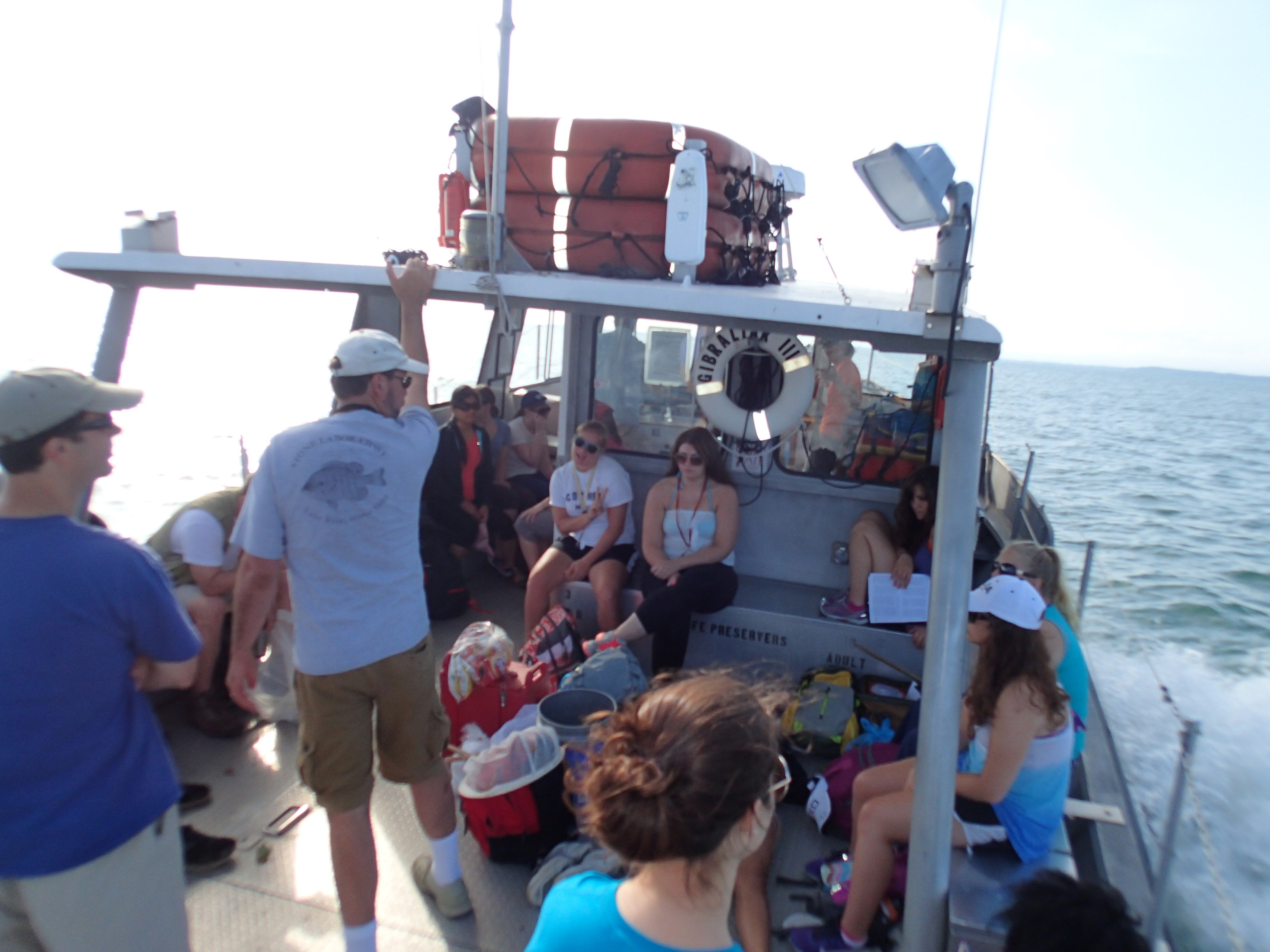
This past summer I taught Field Behavioral Ecology (EEOB 3420) at Stone Laboratory on Gibraltar Island on Lake Erie. This was the first time Behavioral Ecology had been offered at Stone in quite some time, and it was a great opportunity to develop another course of my own. In addition to learning the fundamentals of behavioral ecology, students got a chance to visit a number of the islands of Lake Erie, performed a number of field experiments while learning field research techniques, and each developed their own independent research project and presented their findings in a manuscript and through a conference-style presentation.


I had an outstanding group of students, and they seemed to really enjoy the course. Additionally, I couldn’t have asked for a better TA – Destiny Palik. Destiny did excellent work, was great with the students, and took some awesome pictures while on the island too!

Postdoctoral Research!

OLYMPUS DIGITAL CAMERA
Cosumnes River Preserve

After leaving Stone Lab in July, I moved west from Ohio to begin my NSF Postdoctoral Research Fellowship in Biology at University of California, Davis. I’m working in the lab of Dr. Rebecca Calisi Rodríguez, and we’re doing some exciting work on how human impacts have influenced the introduced western mosquitofish, Gambusia affinis, living in the Central Valley of California. I’m especially excited about this work because it will make clear links between environmental impacts and behavior by investigating how these human impacts have influenced they physiology of organisms, and in turn how these shifts influence behavior. I’m learning a new suite of lab techniques, and I’m eager to put them into practice! This project has already become extremely collaborative, and I’m excited about working with students and faculty from across Davis and beyond. Museum collections will also be a key component of this project, and I’ve already had the opportunity to visit some since beginning the postdoc. These specimens are being photographed and morphometric analyses will be performed in order to make comparisons between current and historical populations.

As lab and field work continues in association with this project, I will no doubt have plenty to share here. I’ve greatly enjoyed being part of the intellectual community here at Davis, and my research and I have greatly benefitted from being a part of it. California isn’t too bad either…

OLYMPUS DIGITAL CAMERA
Lost Coast Trail, Lost Coast Wilderness Area


Since graduating…

In March I defended my dissertation (successfully), and have been keeping busy with a number of things since.

OLYMPUS DIGITAL CAMERA
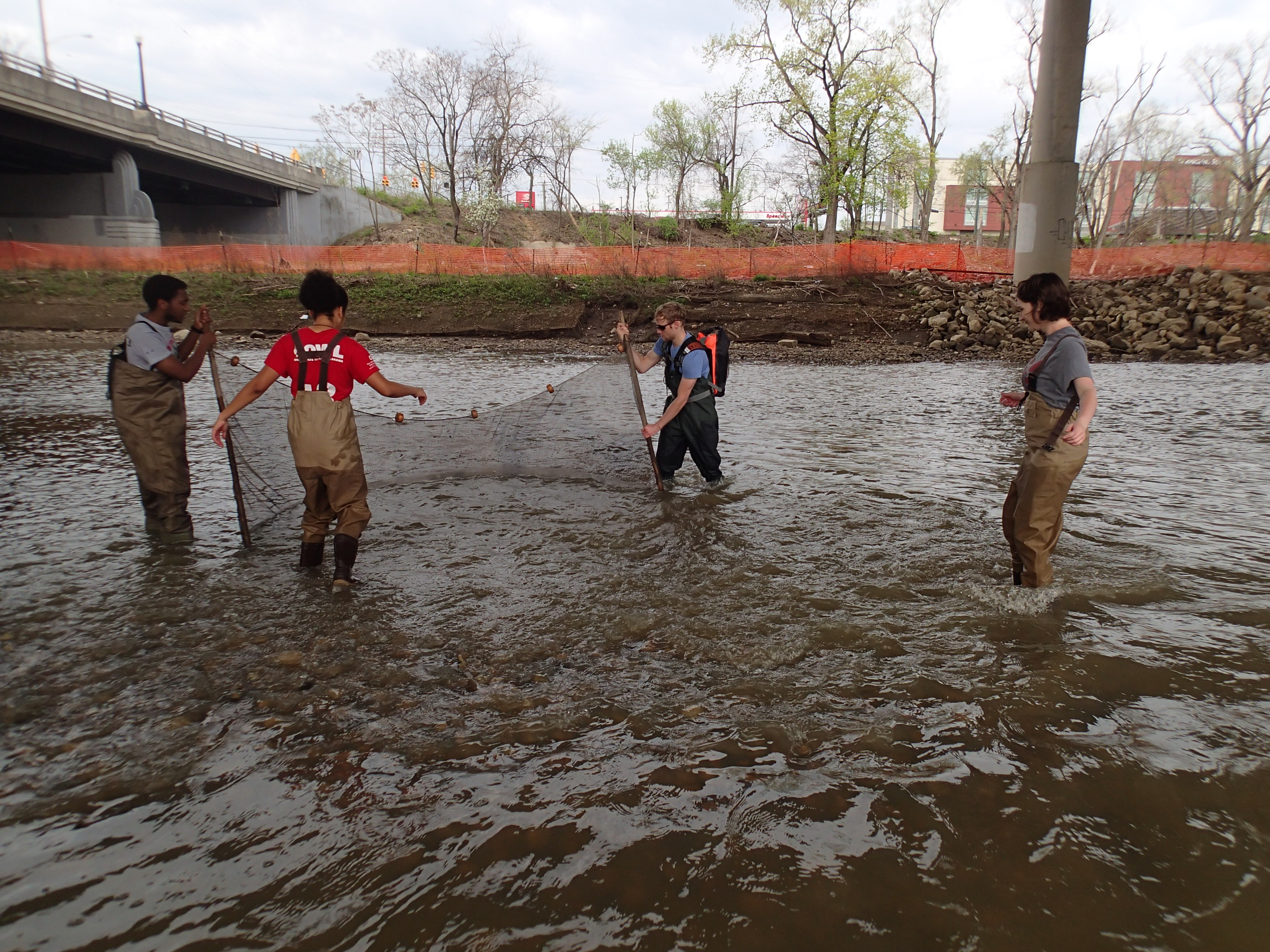
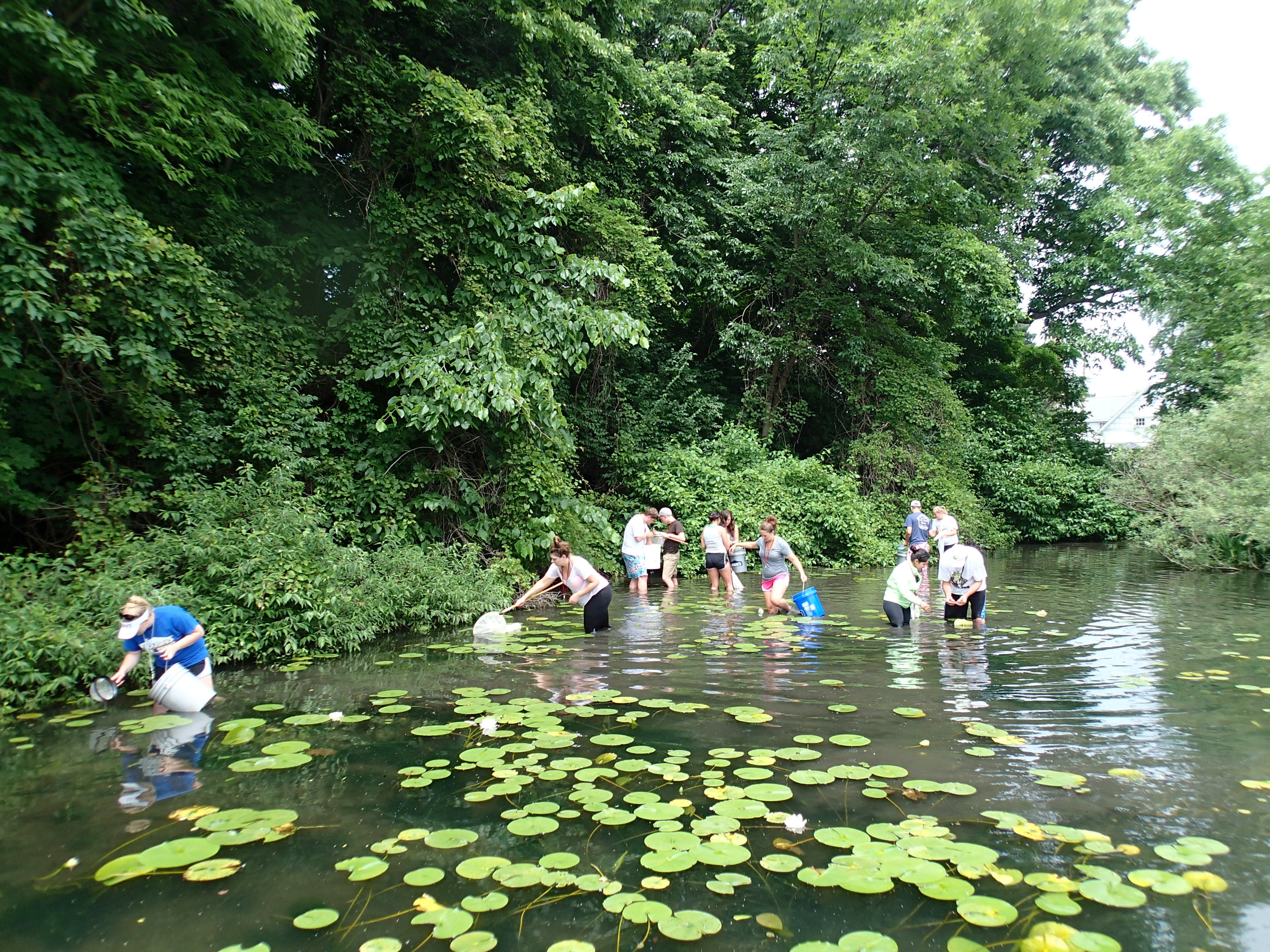
Fish Ecology students collecting fish from the Olentangy River near the 5th Avenue bridge.

Fish Ecology

The second half of spring semester I was the instructor of record for EEOB 5430, Fish Ecology at Ohio State University. I had previously taken and been a TA for this course, so it was really enjoyable to get to teach it as well. The class consisted of a relatively small group of upper level undergraduate students, and they formed a fun and productive learning community. The class implemented a lot of active learning activities through which the students actively engaged in the course material and thought critically about it. We also had a chance to take several field trips; one to the reef exhibit at the Columbus Zoo, the other to the Olentangy River alongside campus.

Animal Behavior Society Meeting – Anchorage, AK

In June I went to Anchorage to attend the annual ABS meeting at University of Anchorage. The meeting had a number of excellent talks and presentations, and I got to meet many great scientists doing exciting things. I gave a talk on a recently published study from the work I (and a lot of collaborators) did in Zambia in 2013 (Ligocki et al, 2015; Behaviour).

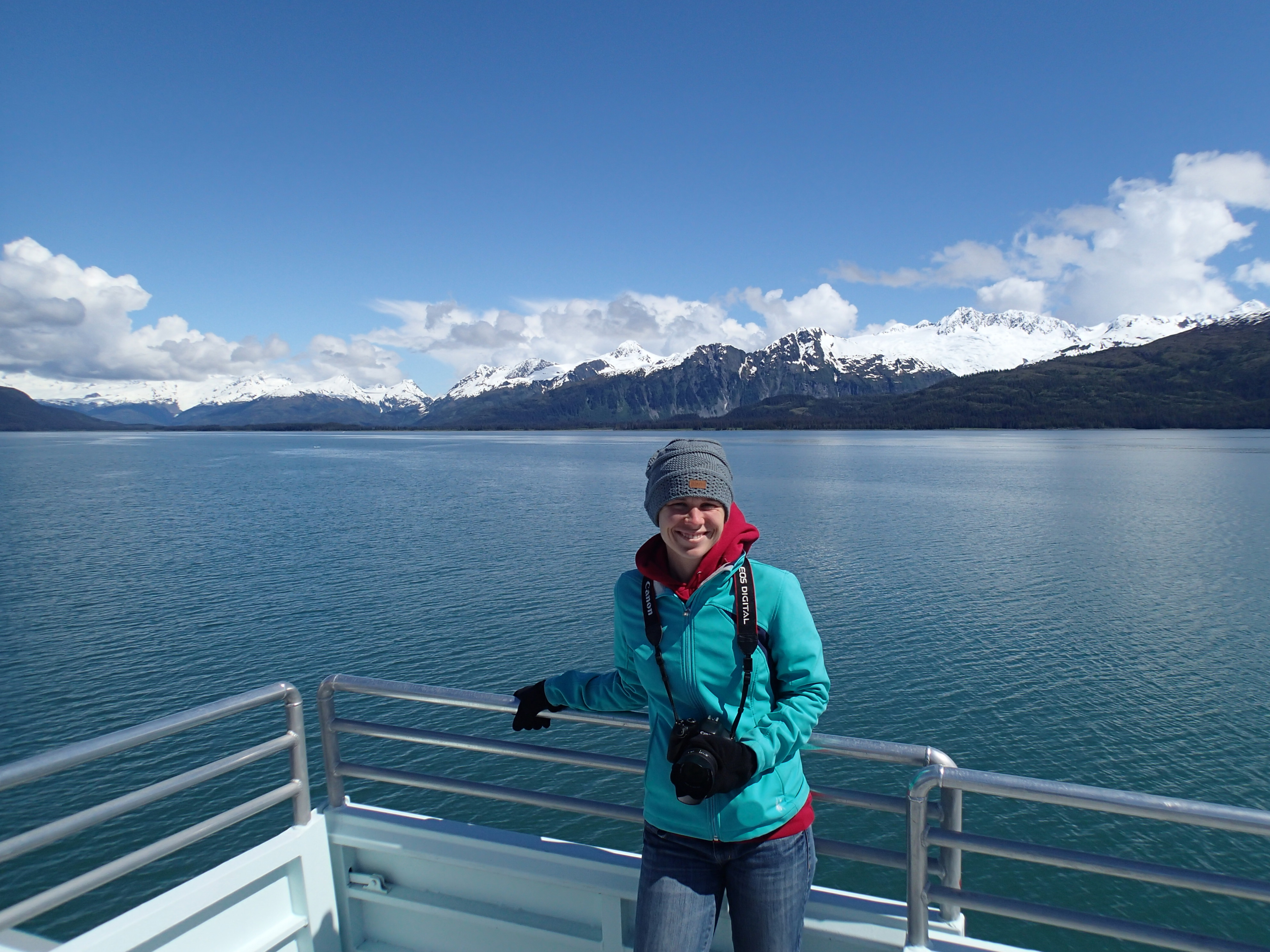
Jennifer Hellmann on a glacier cruise in the Prince William Sound.

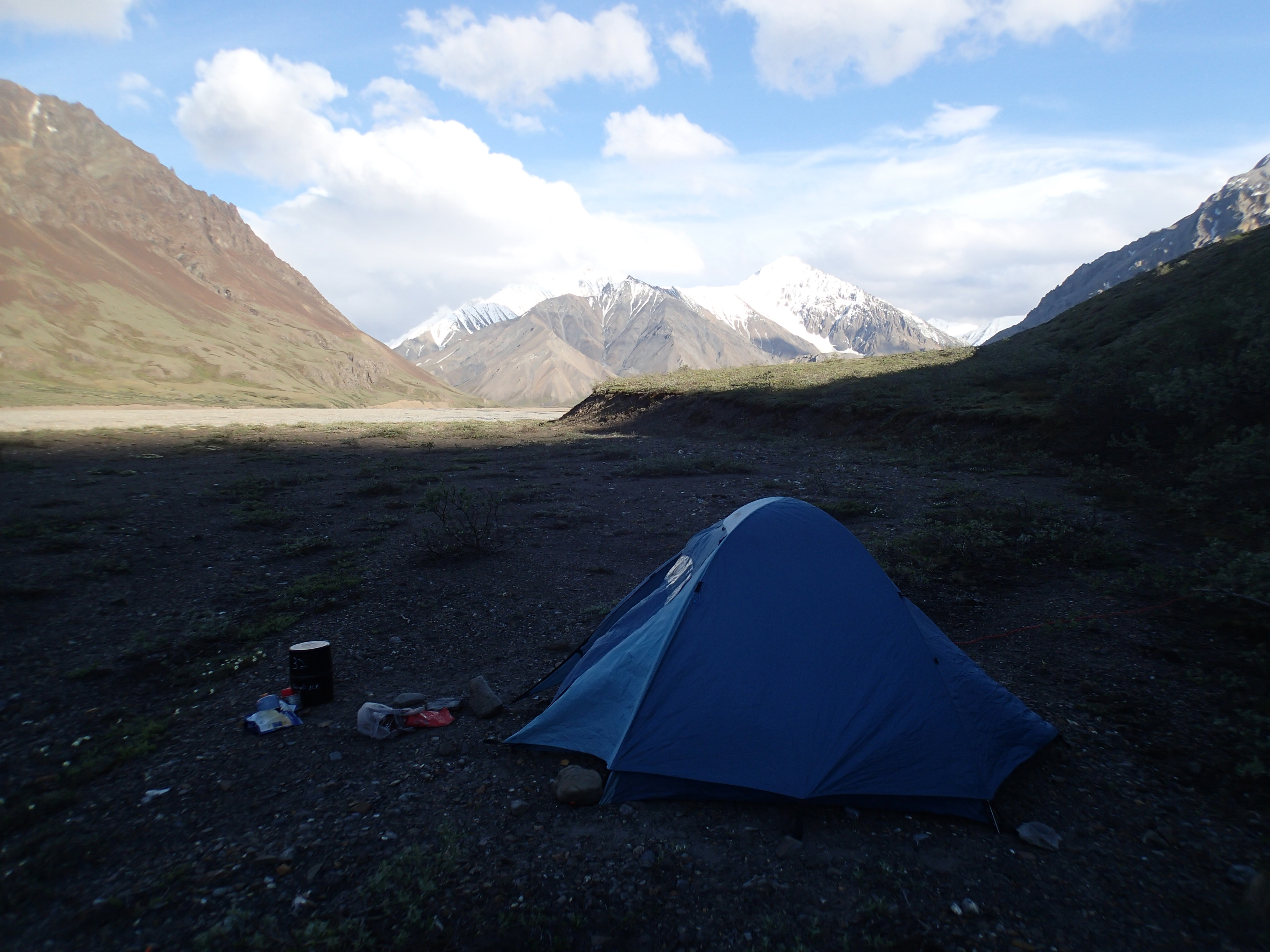
Prior to the conference, my lab mate and I did some exploring in Alaska, as neither of us had been there before. We went on a Glacier Cruise in the Prince William Sound. In addition to glaciers, we saw seals, porpoises, a humpback whale, and plenty of seabirds. We also spent several days backpacking in Denali National Park. Aside from very rough winds, the weather was fairly nice, and we got to see beautiful scenery and lots of wildlife. The highlight of the time in Denali for me was seeing a pair of grizzly bears toward the end of our first day backpacking.

Camping in Denali
Camping in Denali

Intro Biology for Nonmajors

During the summer semester I taught the second half of BIOL 1101 at Ohio State, an introductory biology course intended for nonmajors. As it was a summer course, enrollment was low (20 students), so I got to know the students fairly well. I enjoyed teaching this course a lot, and got to try a lot of activities I’d thought about doing but never had the opportunity to do. Towards the end of the semester, my students had the opportunity to Skype with Kira Cassidy, who is a researcher currently working in Yellowstone National Park on the Wolf Reintroduction Project. It was an exciting opportunity for the students to hear about a real-life example of the ecological principles they had learned in class. They enjoyed the discussion and Kira did an excellent job presenting her work and answering the students questions.

Pacific Northwest

On Mount Hood with Greg (left) and Andrew (right).

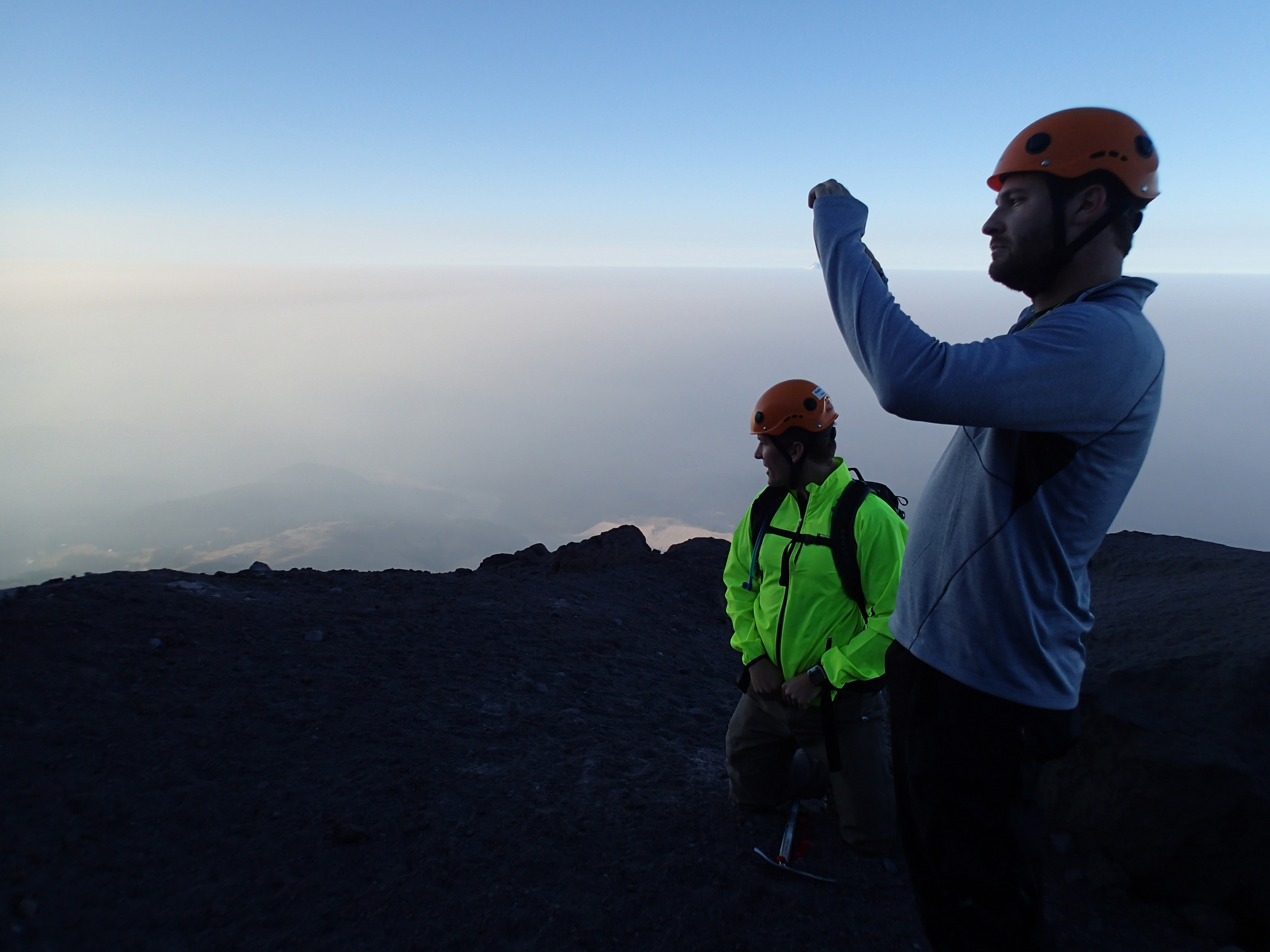
In August I attended my friends Jen and Anna’s wedding in the Seattle area, and took the opportunity to spend some time with friends in both Portland and Seattle. My friends Greg, Andrew, and I together attempted to climb Mount Hood. This season was not ideal for the climb, and despite starting before 3 am we saw several landslides and decided that conditions were too bad to continue. We made it within roughly 1000 feet of the summit; hopefully we’ll have a chance to try again soon!

In Seattle, I got to see a lot of the city including the Seattle Aquarium and Discovery Park. The wedding venue was on Bainbridge Island, which was also beautiful. There I got to visit the Suquamish Museum, where I learned a lot about the tribes that had once lived in the Puget Sound.

Autumn 2015

I’ve been teaching two sections of BIOL 1101 this fall at Ohio State. Both classes are much larger than any I have taught before, but it’s been a lot of fun to work with such large groups. I was skeptical it would work, but the active learning activities I developed for smaller classes have scaled up to the larger groups very smoothly.

Looking ahead

I’m looking forward to attending the SICB meeting in Portland in January, where I will be giving a talk on another recently published paper (Ligocki et al, 2015; Physiology and Behavior). In addition, I’m pursuing funding for a number of projects I’m excited to begin working on in the near future!

BOOK REVIEW – The Signal and the Noise

The Signal and the Noise: Why So Many Predictions Fail – but Some Don’t  

by Nate Silver

For those of you not familiar with the author, Nate Silver is the founder and editor in chief of www.fivethirtyeight.com, a website which features statistically-oriented articles on sports, politics, economics, and whatever else might catch the interest of the contributors. Silver became the ire of partisan political pundits in 2008 when he correctly picked the winner of 49 of 50 states months before to 2008 presidential election. FiveThirtyEight manages to present statistical-based discussion of topics in an interesting way.

The Signal and the Noise follows this style as Silver explains how predictions are central to things as diverse as meteorology and baseball. As the title implies, the book revolves around a central issue facing predictions: separating signals (what actually is associated with resulting phenomena) and noise (what might be confused for meaningful information, but really isn’t associated with resulting phenomena). An example he returns to is that who wins the Super Bowl is indicative of how the stock market will fare in the following year.

In his book, Silver advocates for a Bayesian approach to statistics. Simply put, Bayesian statistics are one tool which can be used to determine the probability of two phenomena being related, and adjust that probability as new information is acquired. Many of his examples throughout the book explain Bayesian approaches to predicting earthquakes, terrorist attacks, or winning a hand in poker.

The Signal and the Noise emphasizes that through statistics, we can understand much of the world around us, but that we must do so cautiously. I found it very interesting and entertaining, and found its approach very accessible for non-experts in statistics.

Are you trying to catch that snake? Why?

OLYMPUS DIGITAL CAMERA
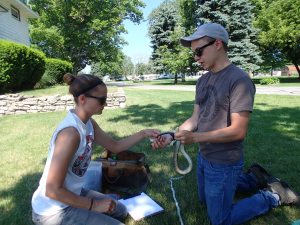
Lizzy and Blair determining the sex of a snake on Middle Bass Island.

Over the past few weeks at Stone Lab I’ve gotten two opportunities to fill in for missing team members on a group studying the Lake Erie Watersnake (Nerodia sipedon insularum). The project is overseen by Dr. Kristen Stanford, and the team I was out with was led by NIU Masters student Lizzy Mack. Also along were research assistant Jen Beck and undergrad researcher Blair Perry.

While they’re asking a number of specific research questions, they’re generally interested in keeping an eye on the population of this recently delisted threatened species. While they do plenty more in the lab, field work this time of year consists of catching snakes on various islands, measuring them, microchipping new captures, and releasing them. When I was with them we caught 40 snakes one day and about 20 the second.

Catching snakes is precisely what you would expect. On my first day as the boat approached the dock on North Bass Island, Blair and Jen both spotted snakes and started running after them, leaving me standing on the deck confused and unsure how to proceed. Eventually I caught on that the best method is just to move fast and commit to the catch; stalking doesn’t pay off when it comes to watersnakes.

Blair and Jen with the snakes we caught on North Bass Island.

As a surprising number of locals we ran into were well aware from a Dirty Jobs episode that aired a few years ago, these snakes have plenty of defenses in spite of being non-venomous. We all received a number of bites, and the snakes are also prone to spray assailants with musk and excrement when disturbed. Most adults we ran into enjoyed seeing the snakes (from a healthy distance); the researchers also got a number of opportunities to do PR for the snakes, the research, and for science in general. On a number of occasions families walking by with their kids got a chance to see and touch snakes and learn about why they’re so great to have around.

As with all snakes, they’re just animals that want to mind their own business and not be bothered. As a rare success story of an threatened species bouncing back from near-extinction, it’s great to see them basking on the shore, swimming along in the bay, or doing their part to cut down the population of the invasive Round Goby (Neogobius melanostomus).

Look here for more information on the Lake Erie Watersnake recovery project at Stone Lab. This week a crew from Oasis HD (a Canadian television channel) came to do a story on the snakes; look forward to their program in the hopefully-near future!

Stone Laboratory: TAing on the other Great Lakes (Part 1)

Image

My summer TA assignment is with Field Zoology at Stone Lab, Ohio State’s island research station on Lake Erie. The course takes a hands-on approach to learning about the animal diversity on and around the Lake Erie Islands. In the first week, the class has visited South Bass Island, Kelleys Island, as well as the shores of Gibraltar Island to sample and study.

Image

I’ll share more about the class and our experiences in coming weeks, but I thought I’d share a few cool pictures and descriptions of some of the things we’ve seen.

Freshwater Drum (also called Sheepshead, Aplodinotus grunniens) is a very common fish in Lake Erie, video here. In fact, they’re common in a lot of places, and their range covers most of the Midwest, north into Canada, and south to Central America. One of their closest relatives is the marine Red Drum (Redfish for Floridians, Sciaenops ocellatus). In contrast to their marine cousins, Freshwater Drum suffers from a bad reputation amongst anglers and are considered an unpopular fish to eat, although there is a movement to increase their popularity. If I get a chance to eat one up here I’ll report.

Image

You’re probably quite familiar with aquatic crayfish in lakes and streams, but a number of species are also terrestrial and live in burrows several feet deep when they’re not venturing out at night to find food. These species build chimneys out of their burrows, some of which we came across on Kelleys Island. There is even a species of frog that will take over these burrows and live in them. Shockingly enough, that frog is known as the Crawfish Frog.

Evolutionary patterns reflecting species ecology: lessons from the mouth

Image

Image

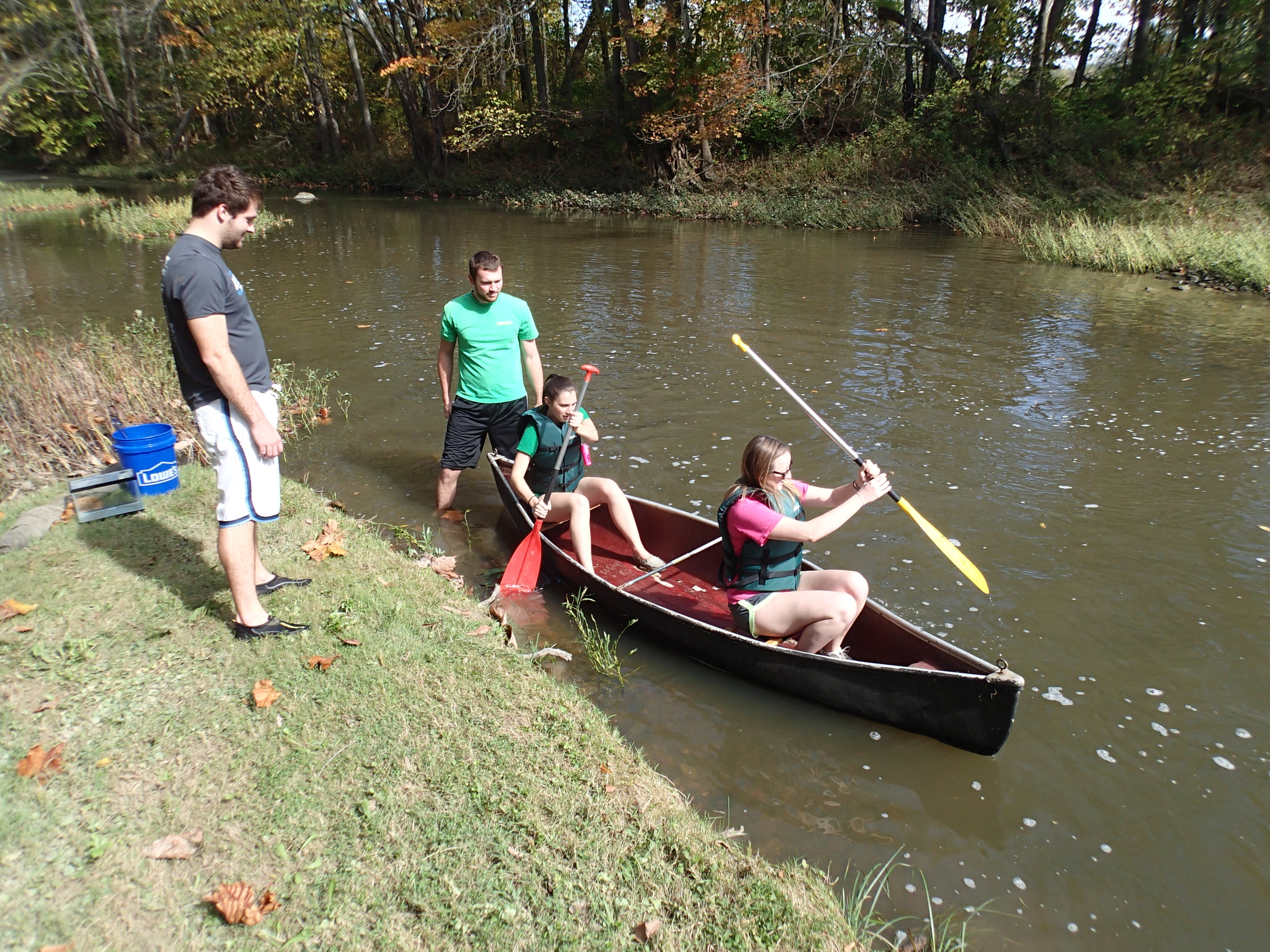
This weekend some friends and I had an opportunity to look at some of the fish species in a local creek. It was a great time canoeing, seining, and relaxing; and we luckily saw plenty of fish representing many species.

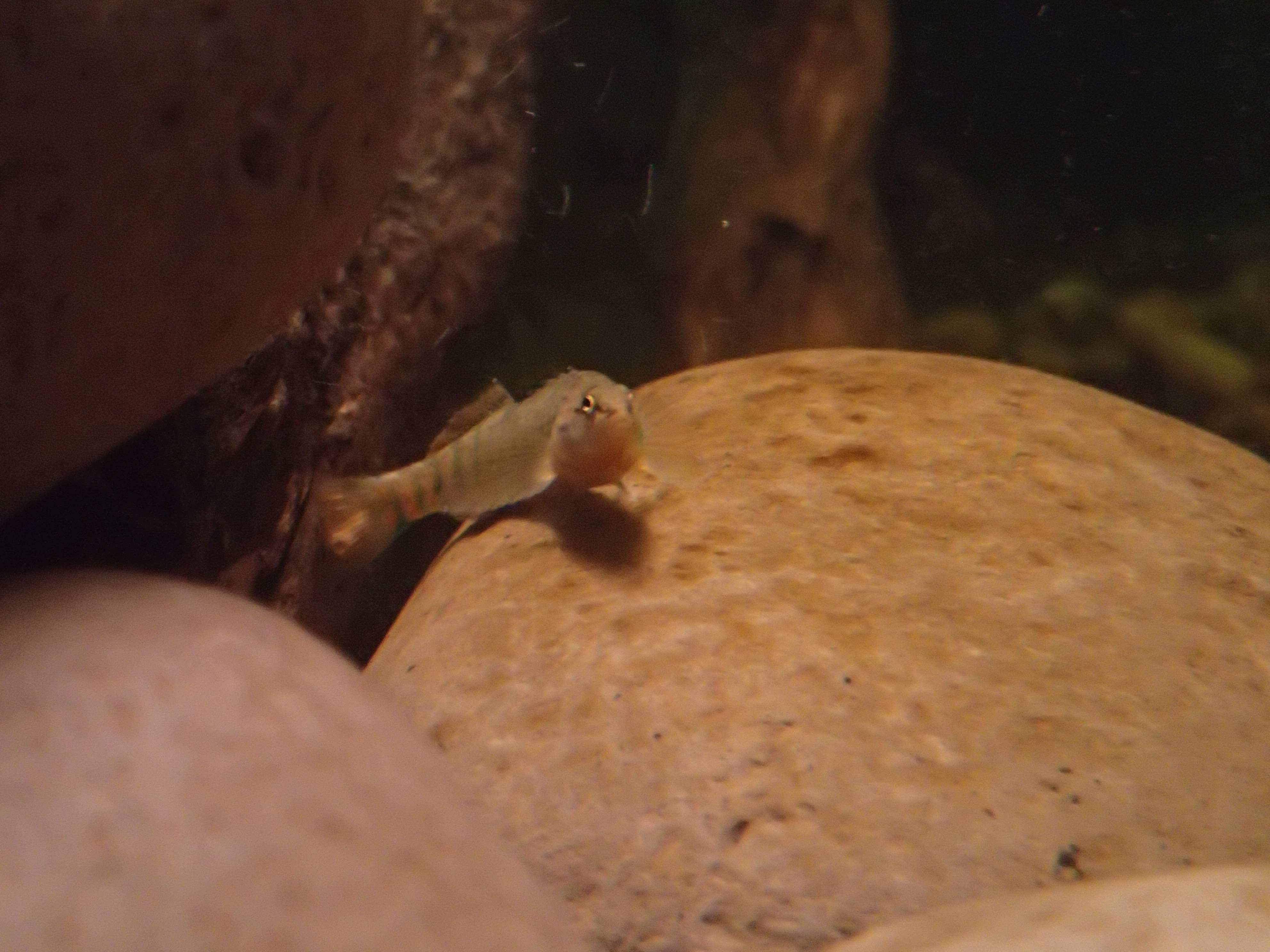
You can get a lot of information about the ecology of animals based on their body type. For fish this is especially true, particularly in the orientation of their mouth. Take for example a fish like this Banded Darter (Etheostoma zonale):Image

Notice the mouth is on the lower half of the head. This is a pretty good indication that this fish lives on the bottom. Darters do in fact live on the bottom of creeks and streams where they move between and under rocks looking for insect larvae to eat.

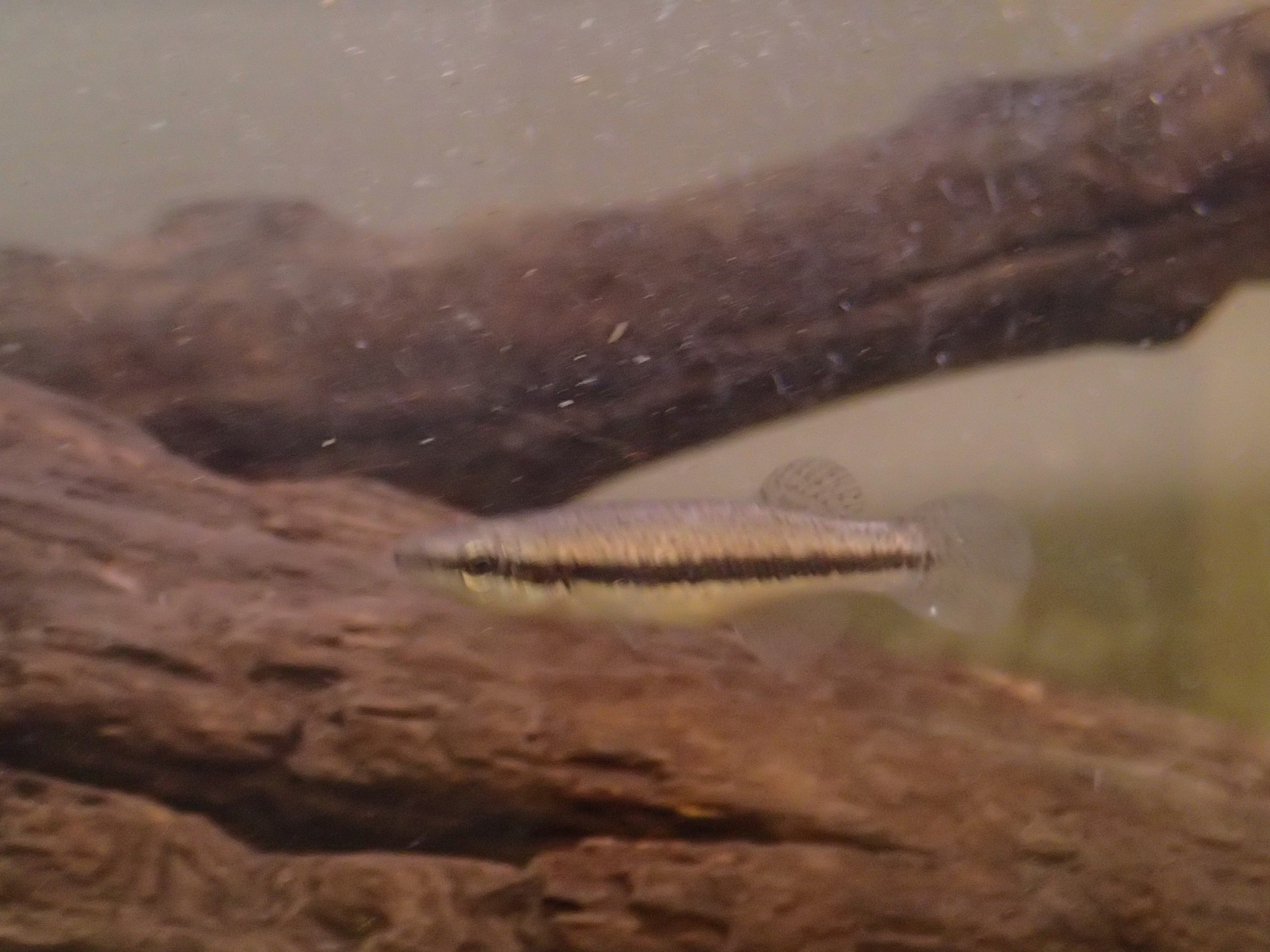
Its not the greatest picture, but this next fish is known as a Blackstripe Topminnow (Fundulus notatus):

Image

Notice the upturned mouth. As its name implies, these fish live along the surface where they feed on other types of insect larvae.

An upturned mouth wouldn’t be very useful for finding food on the bottom, just as a downturned mouth wouldn’t be useful for finding food on the surface. In response to the specific foods fish eat and the habitats they live in, fish have evolved a great diversity of mouth types and orientations. This specialization can tell you a great deal about the ecology and behavior of particular fish.

ABS 2013 – Agonism with Adam Reddon

Image

My name is Adam Reddon, and I study the behavioural biology of social living. I have a particular fascination with both aggression and sociality and I endeavor to better understand these behaviours through the integration of functional, developmental and mechanistic perspectives. My Ph.D. work focused on social decision making in the contexts of grouping behaviour and resource contests in a highly social cichlid fish. I am finishing my PhD at McMaster University this month and will soon be moving to Montreal to take up a postdoctoral fellowship at McGill University in Simon Reader’s research group. During my postdoctoral work I plan to examine the effects of maternal experience on the social behaviour and physiology of her offspring in guppies.


Email: reddonar@mcmaster.ca

Website: http://www.science.mcmaster.ca/psychology/people/262-adam-r-reddon.html

Google Scholar: http://scholar.google.ca/citations?user=MM1KKXcAAAAJ&hl=en

Twitter: @adamreddon

Fight Club

Among those that study how animals interact with one and other, there are two basic groups: those who are mostly interested in what the boys have to say to the girls (or vice versa), and those who are mostly interested in how animals settle disputes among members of their own sex. The former group is certainly larger than the later, as evidenced by the fact that this Animal Behaviour Society Meeting had around 60 or 70 talks on sexual selection broadly defined, including a couple of plenaries, while there was but one session on agonism, or fighting as it is better known. Furthermore, the lone agonism section happened to fall into the last slot of the last day, a time when many conference attendees are often running short on attention span or have wandered off to explore whatever lovely locale in which the conference is set (Boulder, CO has this in spades). So, you can imagine my trepidation when I discovered that my talk was in the last slot of this last session, on the last day, in a topic that warranted only the lone session out of around 80 or so. I envisioned speaking in front of the other speakers from the session, 100 empty chairs and perhaps a janitor catching a nap in the back row. Much to my delight, the agonism session was very dynamic and well attended! This, I think can only be credited to the exceptional talks that joined my own in rounding out this session. All five of the other talks very interesting and engaging. I learned a great deal and very much enjoyed this session. Below are some brief descriptions of each of the 6 talks:

Sara Decker, University of Wyoming – Sara’s talk was about dominance hierarchies in a very interesting species of bird, the long-tailed mannequin. Long-tailed mannequin males form groups and work together to attract females. Only the dominant most male gets to breed though, and he has a second in command that is next in line for breeder status. Sara found that if both of these two top ranked males disappeared at the same time, the group descended into chaos and in-fighting, which apparently long-tailed mannequin females do not like, as they stop coming around until the chaos dies down and the hierarchy becomes stable again.

Bruce Lyon, University of California Santa Cruz – Bruce talked about dominance interactions in gold-crowned sparrows. Gold-crowned sparrows, like many birds, use badges of status to settle disputes without needing to escalate to costly violence. Males of this sparrow have a bright yellow patch of feathers atop their head. Birds with a bigger patch are dominant over those with a smaller patch. In a staged interaction between two birds, you can change who wins by using paint to give one bird an artificially larger patch. Interestingly, Bruce presented data showing that this manipulation doesn’t work if the birds are from the same flock and already know each other. Presumably, they remember the other bird, know what that bird is really like and hence are not fooled by the new dye-job.

Chad Johnson, Arizona State UniversityThe rapid expansion of Phoenix, Arizona from small desert settlement to one the largest, most bustling metropolises in North America has posed many challenges for the local flora and fauna. One animal that seems to be doing ok with the new neighbors is the western black widow spider. This poisonous character is doing so well it has become a major urban pest. Interestingly, Chad presents data showing that although western black widows are super abundant in the city, the city-dwellers are actually less healthy than their desert counterparts that have to eke out a living under much tougher circumstances. Chad found that this unexpected difference seems to owe to the fact that the city spiders eat mostly a particular cricket species, which is low on phosphorus, a vital nutrient for western black widows. Basically, city spiders are gorging themselves on junk food, which lets them reproduce quickly, but spiders from more natural areas are getting a more varied and complete diet, resulting in better overall health.

Russell Ligon, Arizona State University Russell studies aggressive interactions in veiled chameleons, which can change their body colour rapidly, and may do so to communicate with one another. Russell found that the brightness of a chameleon’s body predicted its likelihood of escalating to physical fighting, while the chameleon with the darker head was signaling submissiveness and was unlikely to win the fight.

Vikram Iyengar, Villanova University Vikram presented data on sexually selected trait divergence in a pair of related damselflies. These species may live together in the same areas, or in different areas. When they co-occur, one species tends to have smaller spots on its wings than it does when the other species isn’t around. Previous research has shown that these wing spots are attractive to females. Vikram’s study showed that the wing spots also draw the ire of males of the other species, causing them to attack more often. Vikram’s data suggests that males in areas of overlap have been selected for smaller wing spots because although it makes them a bit less sexy, it also saves them some costly beatings.

Adam Reddon, McMaster University – Last up to bat was my talk. I told the audience about a recent study comparing the decisions during fights between two closely related species of cichlid fish, one of them highly social (frequent star of this blog, Neolamprologus pulcher) and the other (Telmatochromis temporalis) much less so. I predicted that because the social species may have more information about their opponents before a fight because they have interacted with them before, and because the social species may have a greater overlap in interests with their opponents, the social species would have less costly fights. I also predicted that the social species may find a way to end a conflict that allowed them to stay in the same area and continue to interact with their opponent after the fight, whereas the less social species may just run away and go somewhere else. My results confirmed both of these predictions, suggesting that changes in the way animals fight may be tightly linked to their social system, how they live with and get along with other members of their species. The morning of my talk, I found out that the paper this data was drawn from was accepted for publication in the journal Behaviour. I considered this a good omen, and sure enough, my talk went great. I was happy with my performance and got lots of positive feedback afterwards. Best of all, lots of smart people hung in there to the end and listened to me speak. It was a great way to end a great meeting.