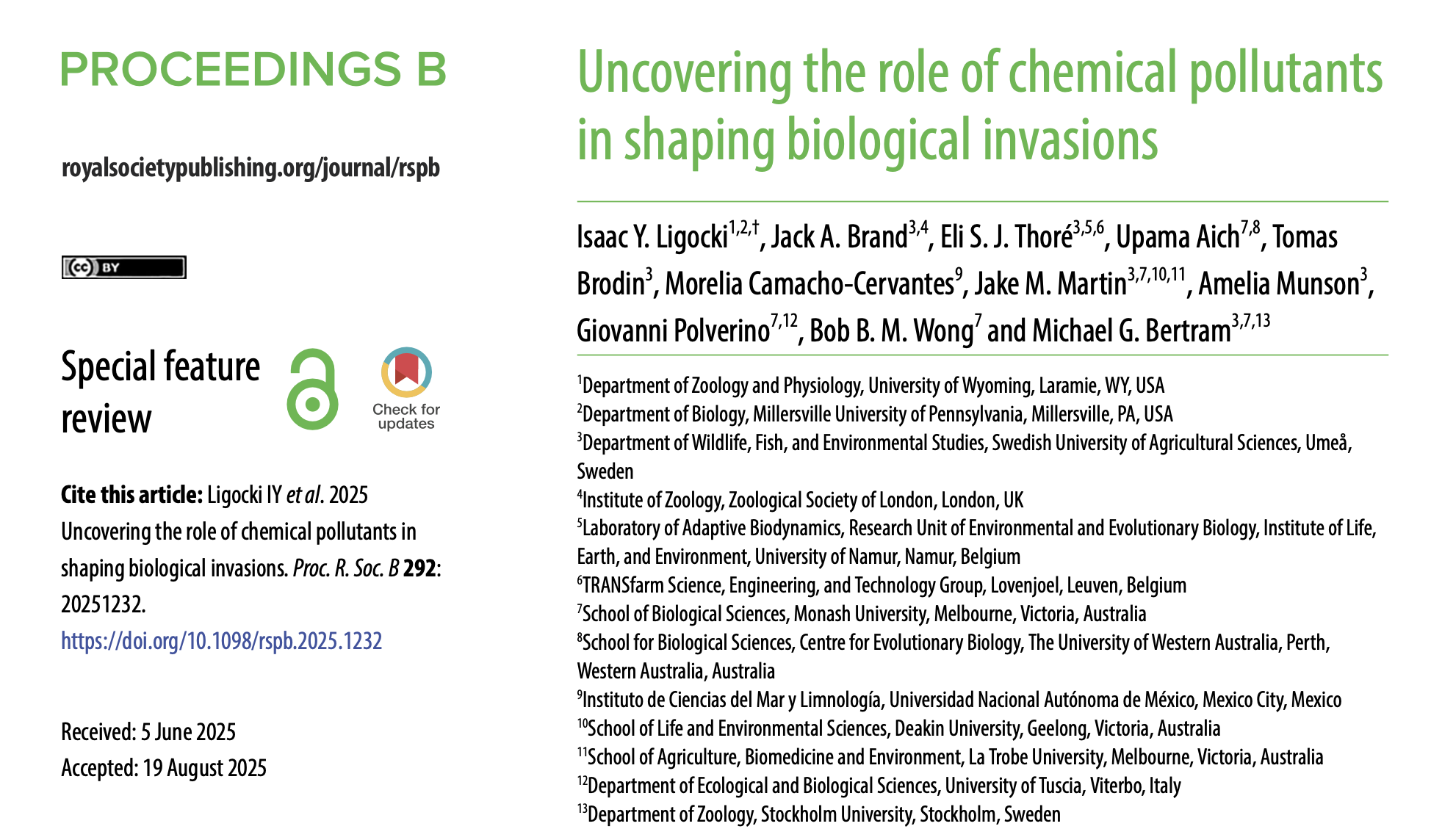
Our review article exploring the potential for interactive effects between chemical pollution and the success of introduced species was published Oct. 22 in the Proceedings of the Royal Society, B. This publication was the result of work by an incredible team of collaborators, and we’re thrilled to see it finally published.
You can find the article in the Publications tab or via THIS LINK, and a press release from University of Wyoming related to the article HERE.
Other Lab News:
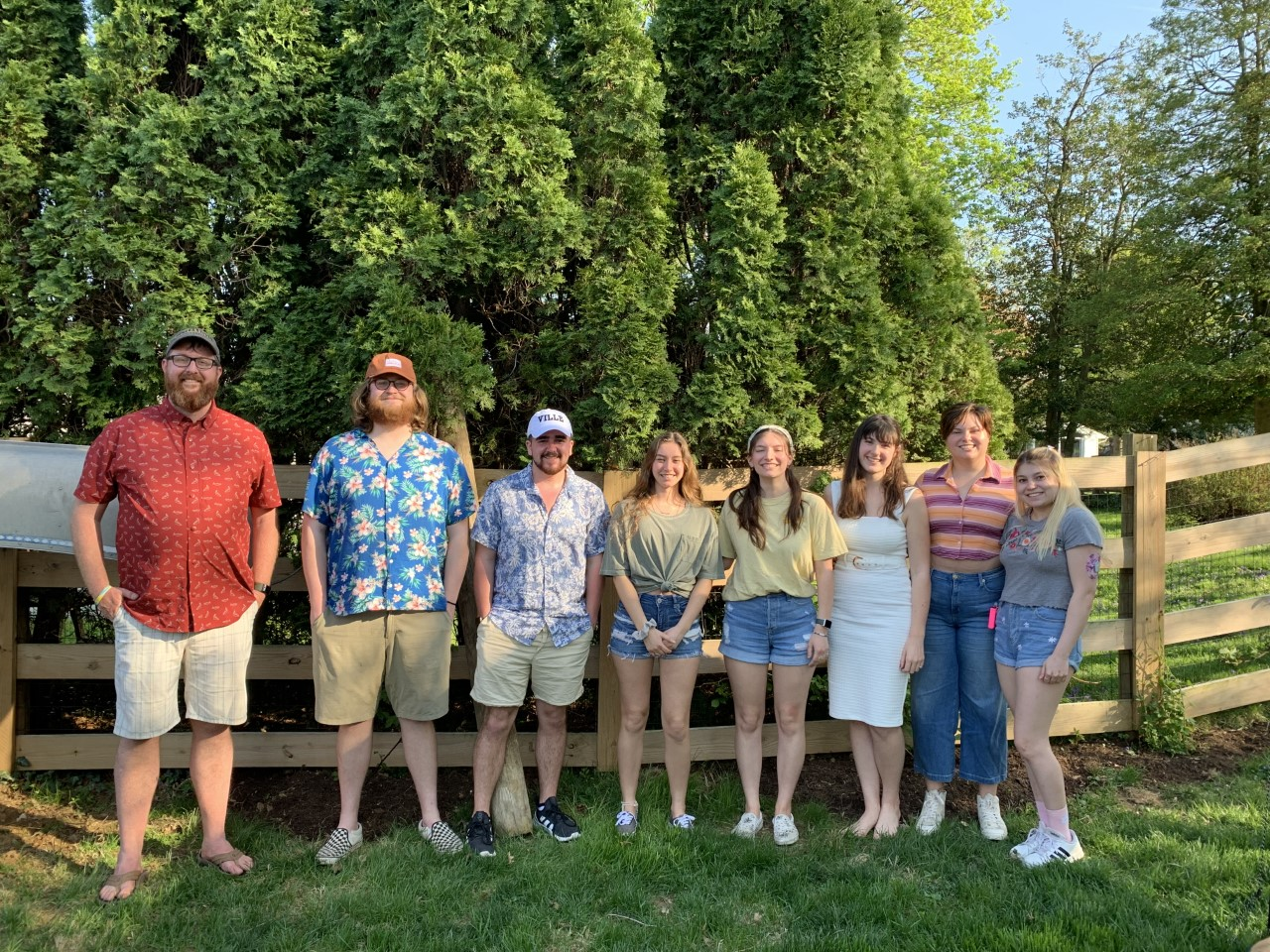
We’ve got mosquitofish in the lab! Currently, a team of nine undergraduate (and recent grad) researchers are learning the necessary skills and techniques to care for these fish and carry out research. We plan to have experiments rolling in the coming weeks!
It’s been a busy and eventful end to 2024, and 2025 started off marvelously with plenty of lab presentations at the Society for Integrative and Comparative Biologists meeting in Atlanta, Georgia. While I had to cancel my attendance and presentation due to a family emergency, five Ligocki Lab students attended and presented on their exciting work!
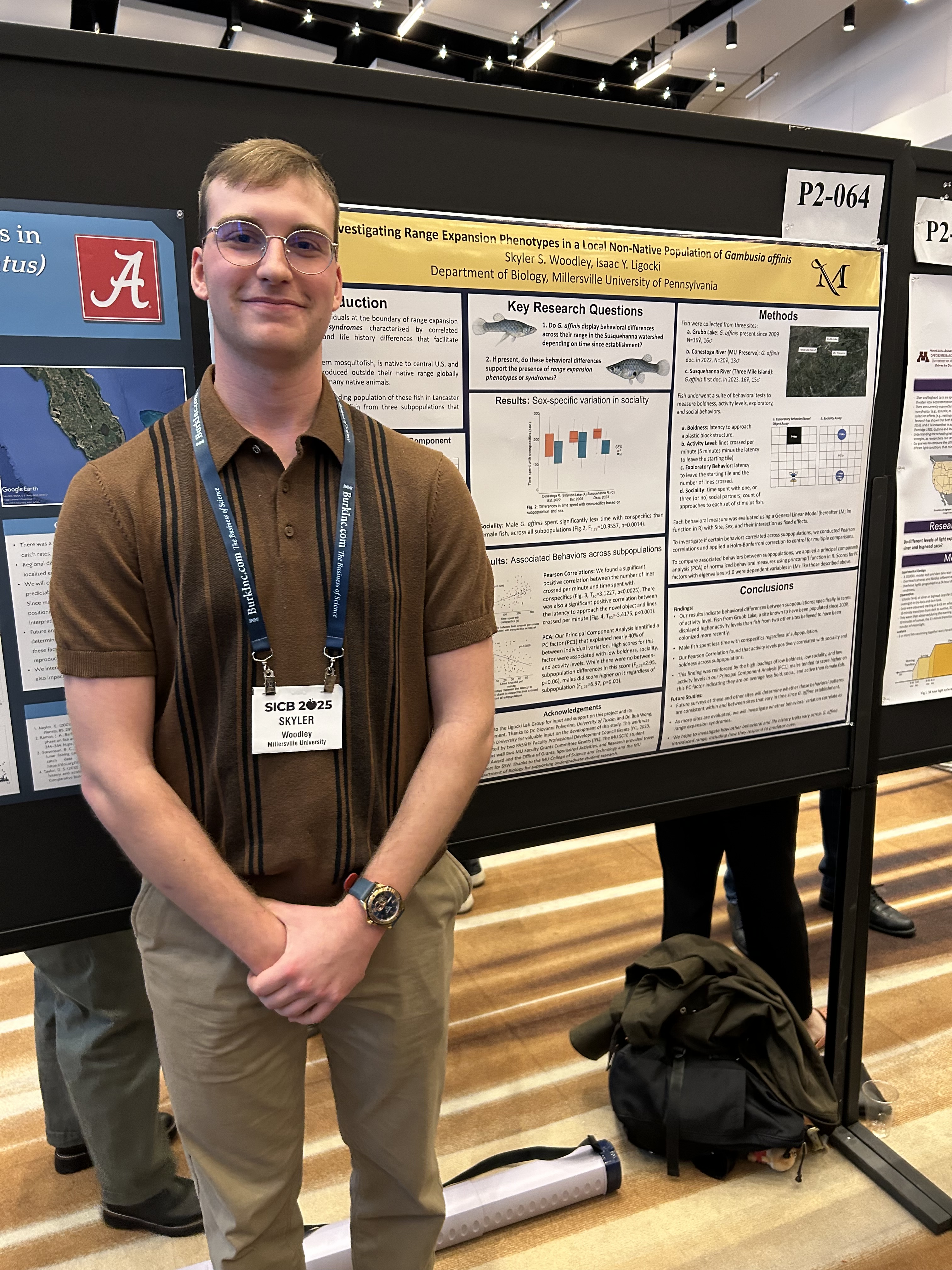
Skyler Woodley (2026)
Range Expansion Phenotypes in introduced western mosquitofish (Gambusia affinis):
Skyler Woodley (2026) has taken the reigns of investigating behavioral variation across an introduced population of G. affinis in the Susquehanna River watershed. Skyler has tested the hypothesis that more recently established populations will differ phenotypically from longer established populations. Based on our findings to date, fish from a long-established site are more active than fish from more recently established populations. Looking ahead, we aim to evaluate more subpopulations in region, and continue common garden experiments to determine whether observed differences in wild fish are the result of selection or adaptation to the local environment. Findings from our initial study are currently In Review.
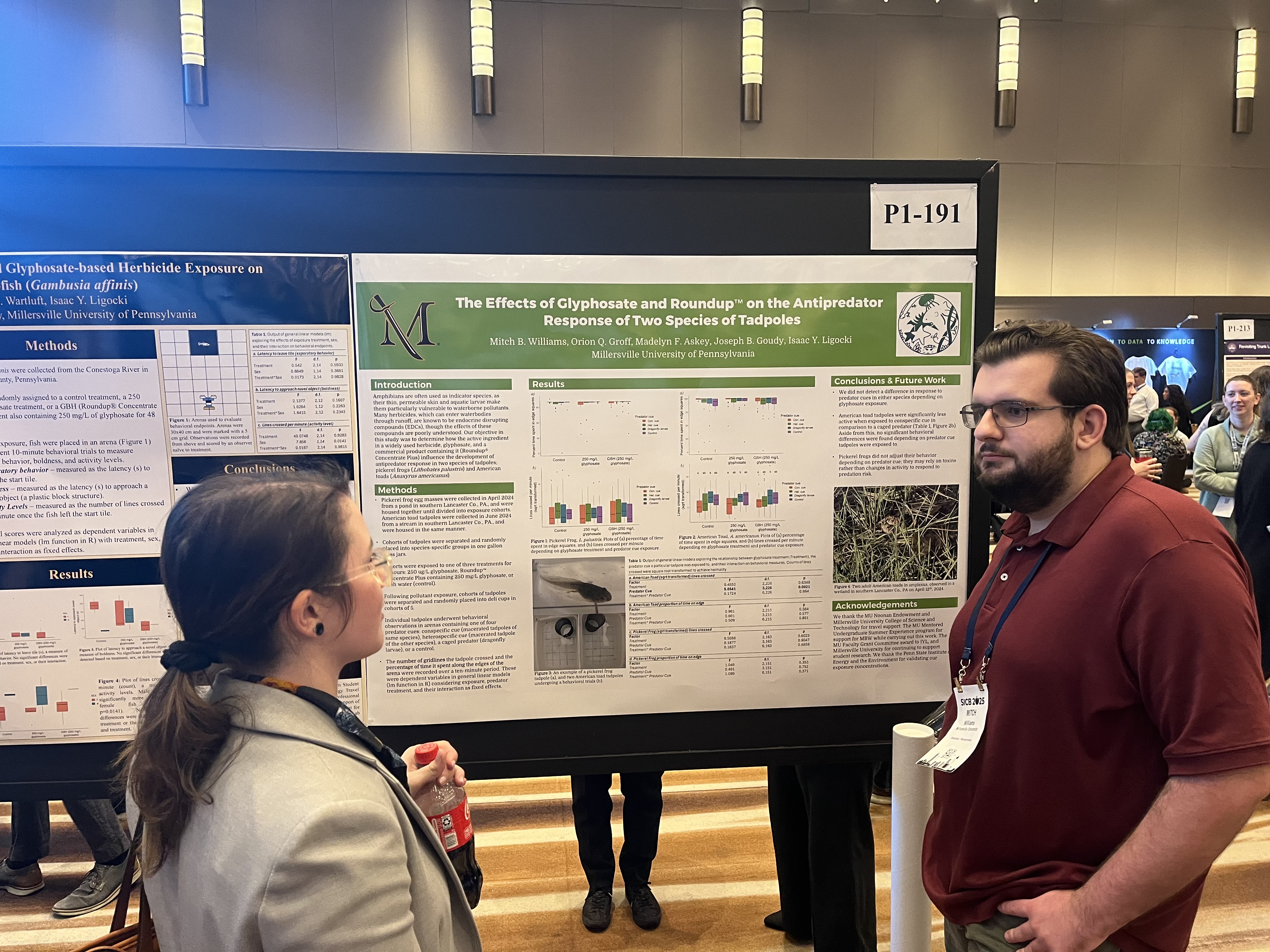
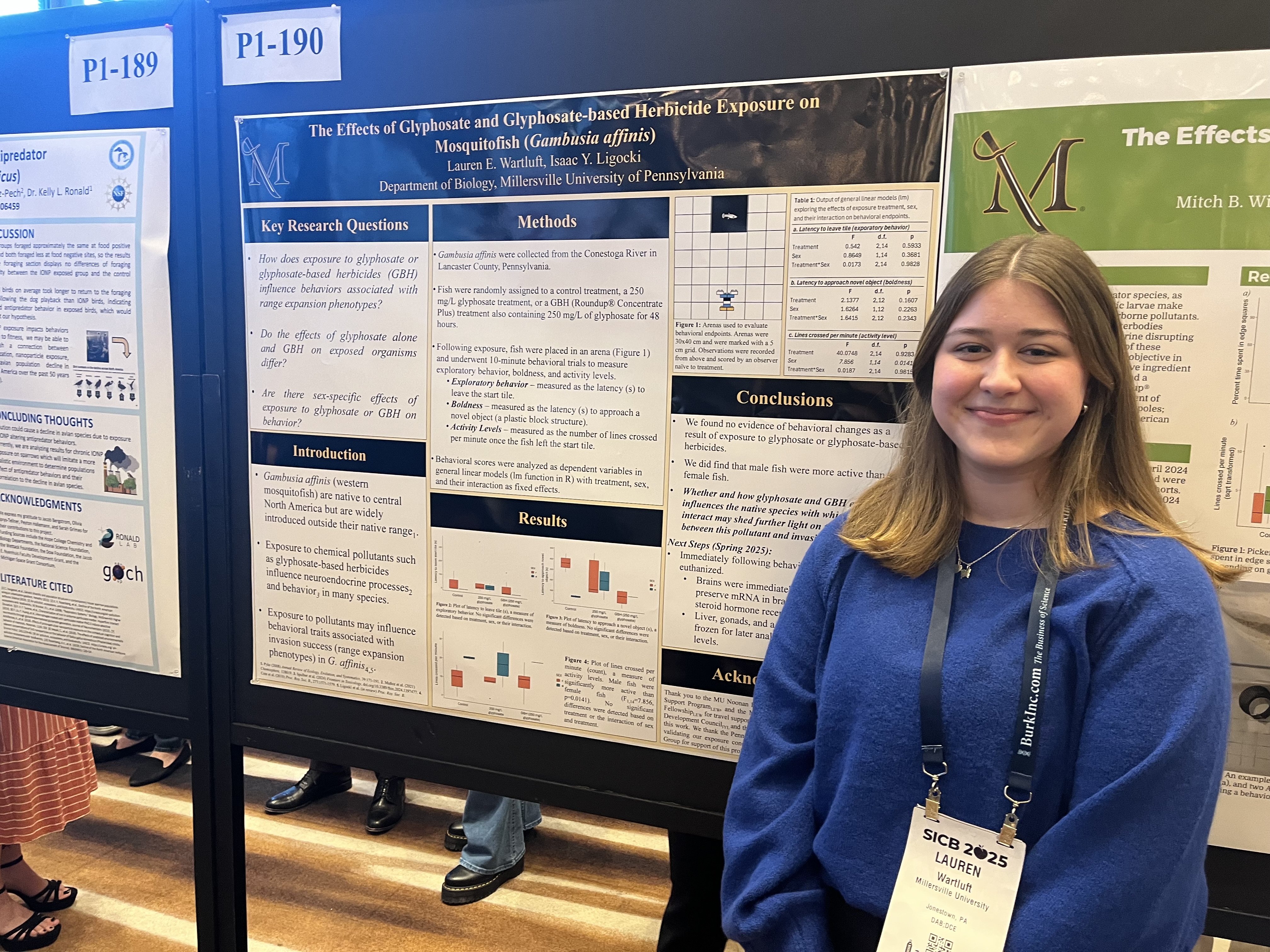
Mitch Williams (2025)Lauren Wartluft (2026)
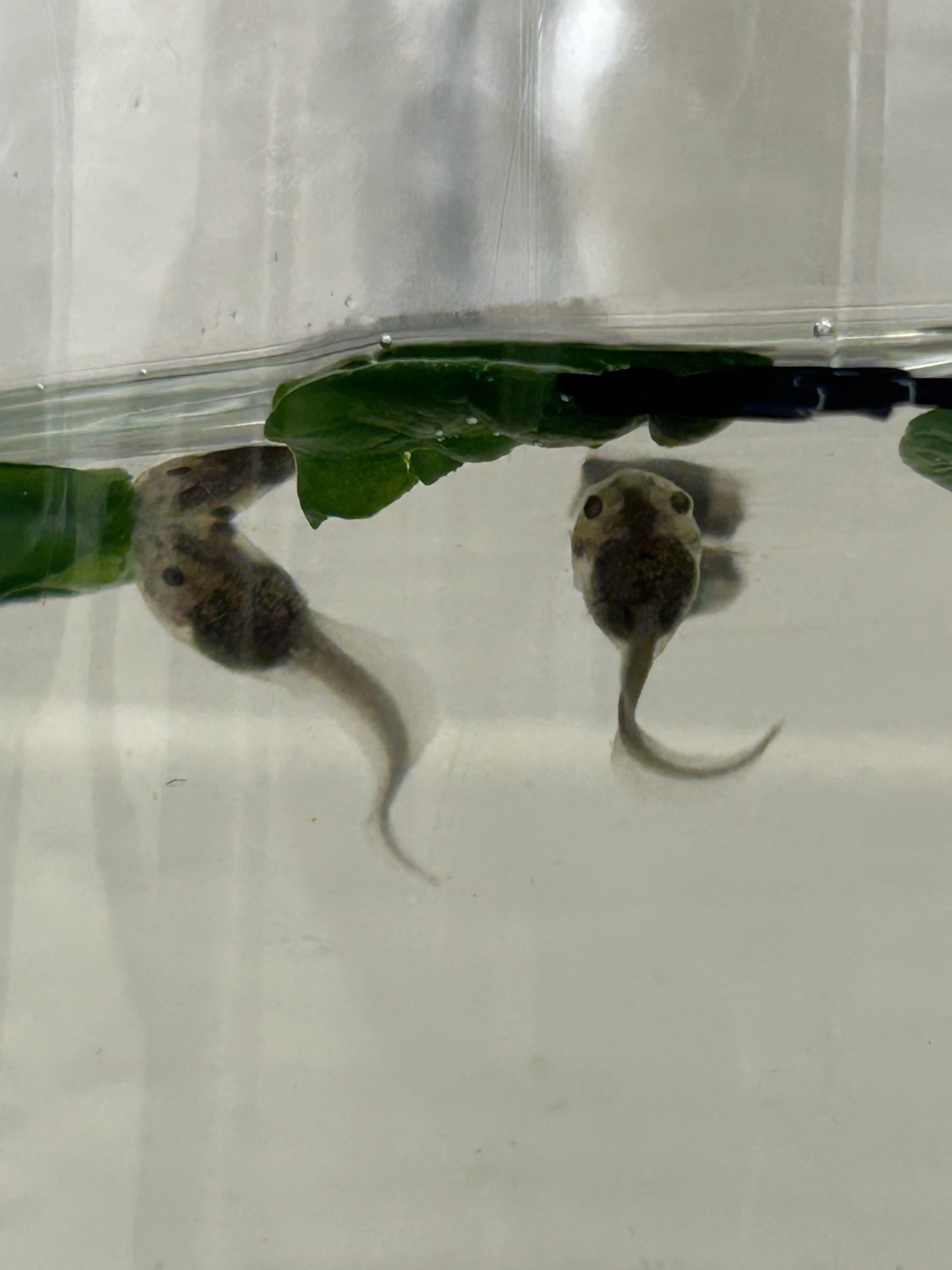
Effects of a widely used herbicide on larval amphibian and mosquitofish behavior:
Two students in the lab are investigating the effects of exposure to glyphosate and a commercial product containing it (glyphosate containing herbicide – hereafter GCH) on behavior and physiology. Mitch Williams (2025) exposed two species of larval amphibians (American toads, Anaxyrus americanus and pickerel frogs, Lithobates palustris) and measured their behavioral response to conspecific and heterospecific predator cue, as well as a live predator. Exposure to glyphosate or the GCH did not impact tadpole behavior in either species; Mitch is preparing to investigate whether exposure impacts metamorphosis or development as adults. Lauren Wartluft (2026) exposed mosquitofish to the same concentrations of glyphosate and the GCH. Lauren also found no behavioral differences, but will explore whether exposure impacted steroid hormone abundance and receptor abundance for her Honors thesis this spring.
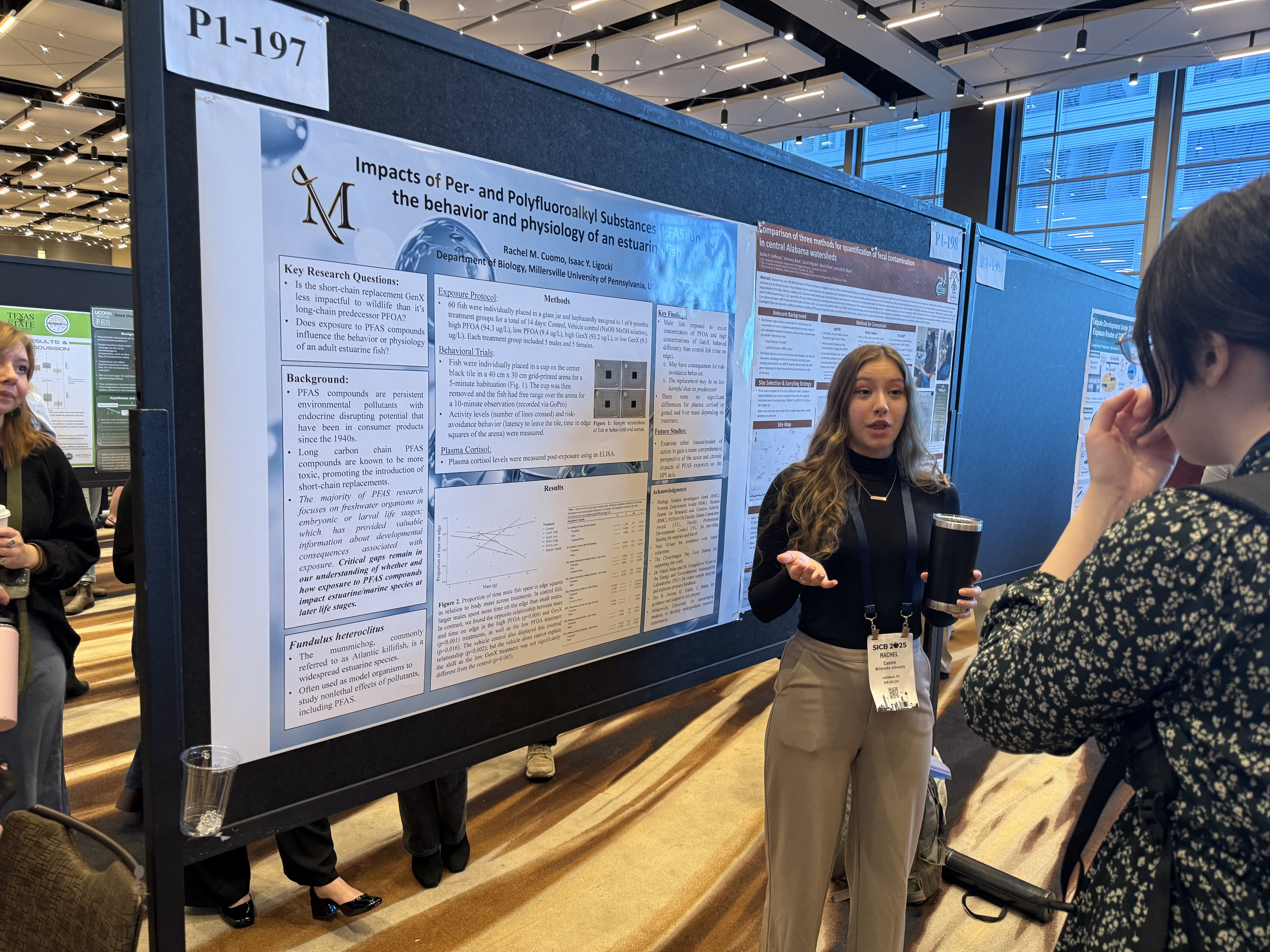
Rachel Cuomo (2024)
Impacts of PFAS exposure on an estuarine fish:
Rachel Cuomo (2024) investigated the impacts of exposure to two PFAS compounds (one now banned, the other an industrial replacement for the banned substance) on mummichogs, Fundulus heteroclitus. Aside from setting the gold standard of what an undergraduate thesis can be, Rachel found that both compounds influenced risk avoidance behavior in male (but not female) fish. Rachel is currently working for Eurofins in the PFAS lab honing her analytical chemistry skills, we plan to submit her thesis for publication in the coming weeks.
Joseph Goudy (2025)
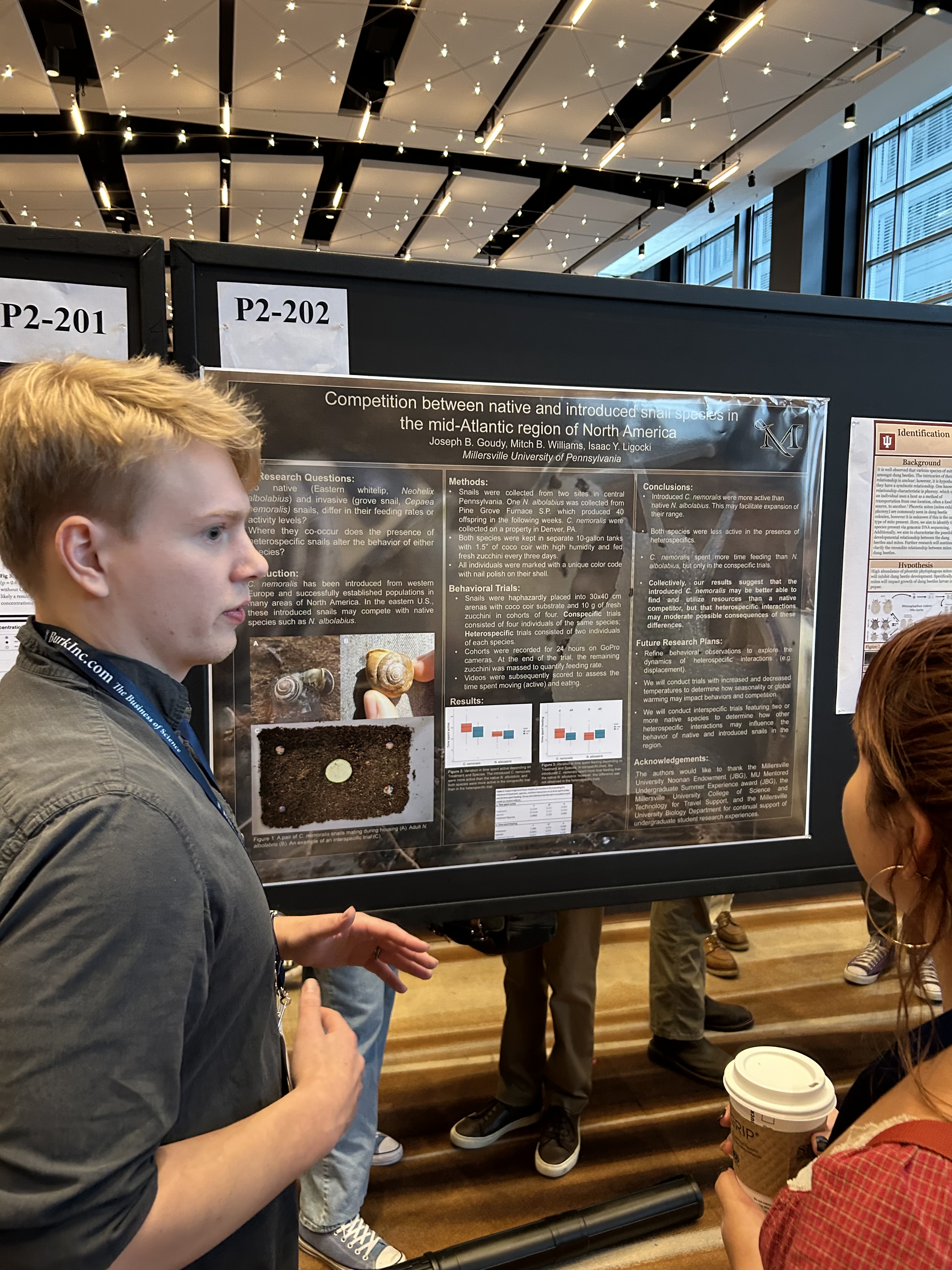
Competition between native and introduced land snails:
Joseph Goudy (2025) has embarked on an exciting project exploring how native and introduced land snails interact and aims to better understand how these interactions might impact the success of the nonnative Cepaea nemoralis in the eastern U.S. C. nemoralis is more active than its native counterparts, but both species were less active in the presence of conspecifics. As hoped, Joe got lots of constructive feedback on his work at SICB, and we’re excited to continue his work this spring.
In the lab, we’ve continued work on Gambusia, killifish, snails, and now wood frogs. Each of these projects are focused on how organisms respond to environmental change. Several students and I look forward to presenting the findings of these projects at conferences in the coming months. We’re also gearing up for several research projects that are set to begin in the coming weeks.
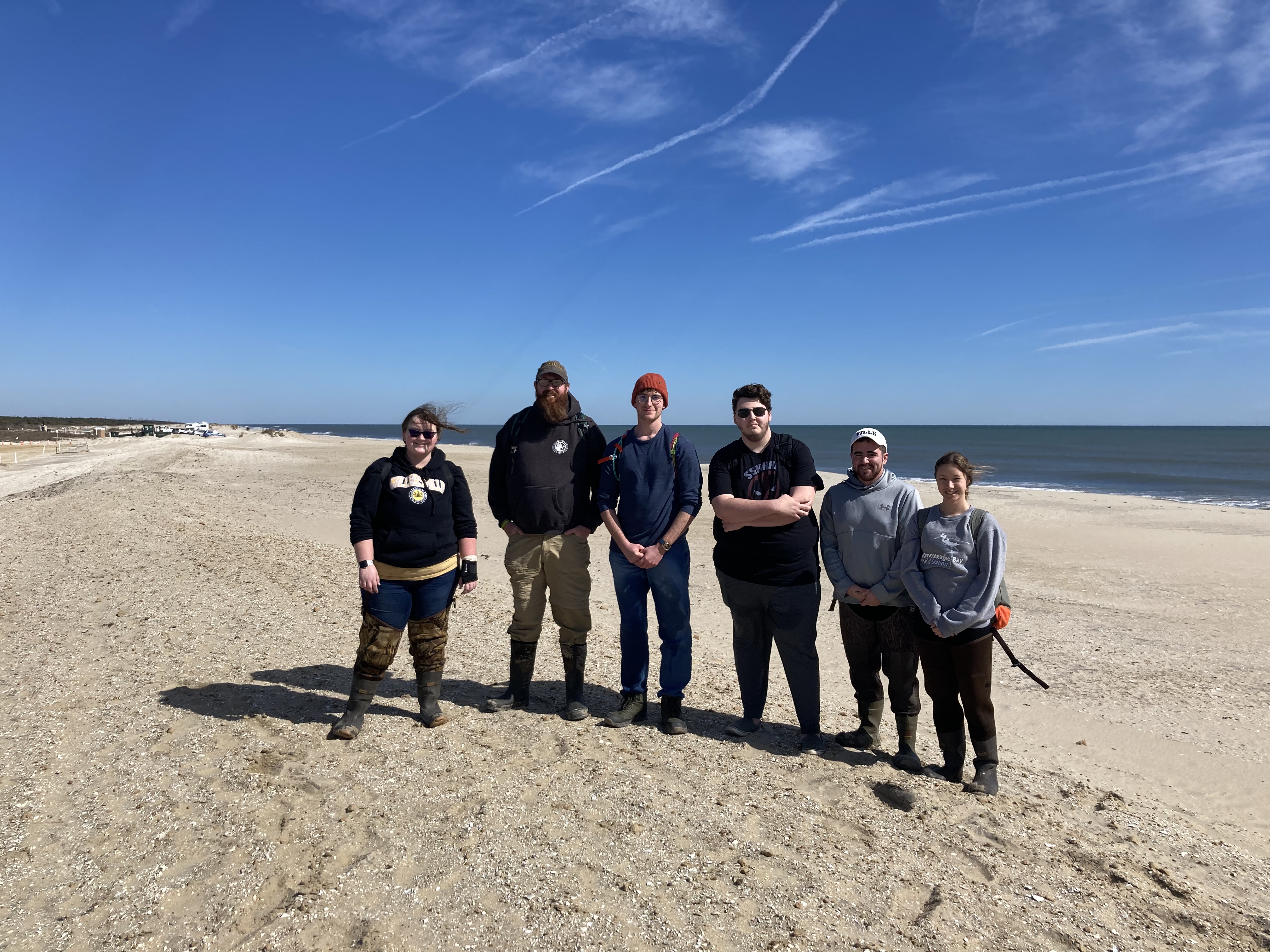
Over the summer I had the opportunity to teach two field courses, one through University of Colorado Boulder (EBIO 4200 – Marine Ecological Research) offered at CARMABI Field Station in Curaçao, and another through Millersville University (BIOL 396 – Ichthyology) offered at Chincoteague Bay Field Station in Virginia.
In Curaçao, I had the opportunity to mentor a group of students on their research project focused on territory defense in Stegastes damselfish. The students managed to collect a lot of interesting data on the relationship between “neighborhood” size and individual participation in defense, and I hope to visit CARMABI again soon to build on their work.
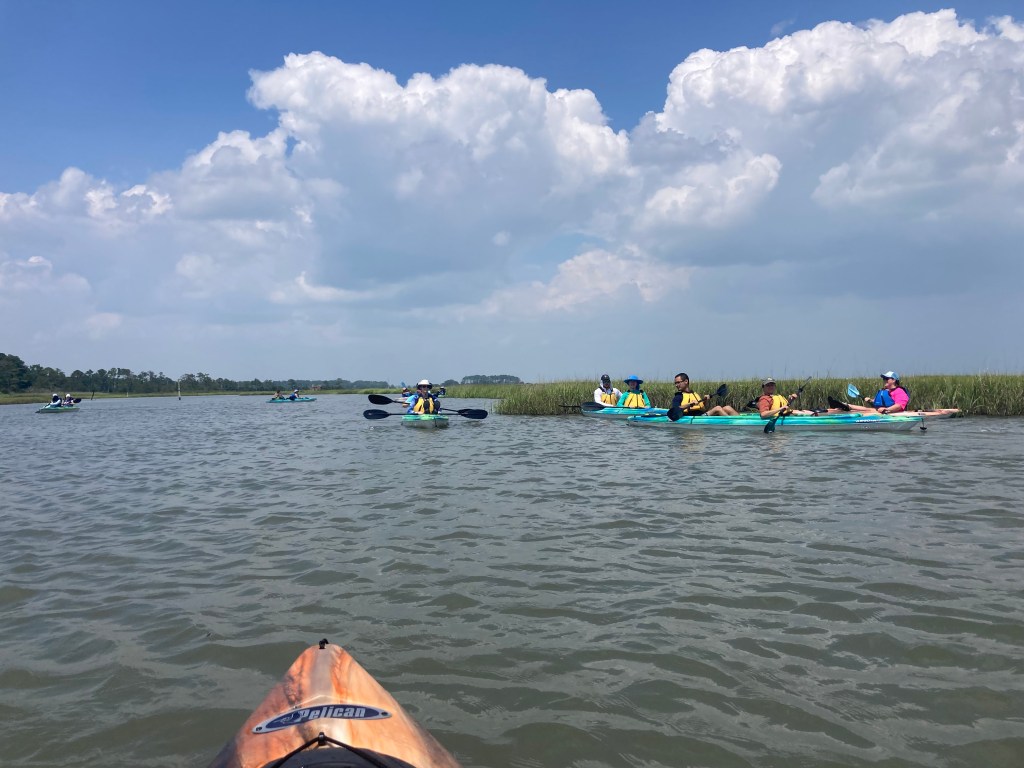
At CBFS, Ichthyology was another great course with a fun group of students. We got to sample a wide range of habitats and learn about many different fish species. One of my favorite parts of the course is the Fishes of the Mid-Atlantic Art Show. Students intently study the morphology of a fish of their choice over the first two weeks of the class as they create their artistic depiction of the fish. They then prepare a presentation on that fish for the show. Students highlight the relationship between morphological features and the fish’s niche, evolutionary history, and behavior. The whole station comes out for this event and enjoys learning about local fish species.
The 2022-23 academic year has been a productive one!
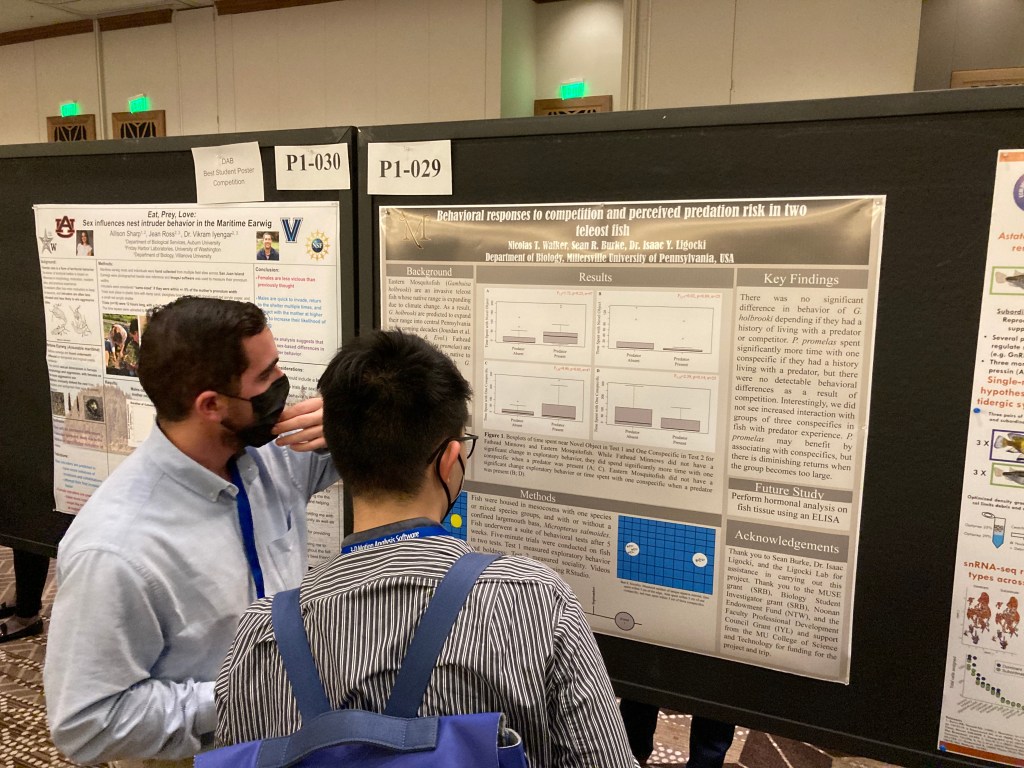
Three Millersville Students presented at the 2023 Society for Integrative and Comparative Biologists meeting in Austin, Texas. Sean Burke (2022) and Nic Walker (2023) presented posters on their long-term study on interactions between native fish and nonnative mosquitofish. Sean’s work focused on morphological changes associated with these interactions and Nic focused on behavioral changes that emerged. Leilani Smith (2022) presented her work on the impacts of herbicide exposure on mosquitofish behavior.
On campus, we’ve begun a few new projects in the lab. One is aimed at understanding social and reproductive behavior in striped killifish (Fundulus majalis) and another is focused on the impacts of ocean acidification on growth and behavior in two species of estuarine snails.
Finally, Sean Burke (2022) has moved to Reno, Nevada where he is now working for the Eastern Sierra Chapter of Trout Unlimited. He is working on habitat restoration in the Truckee River watershed and also engaging in community outreach.
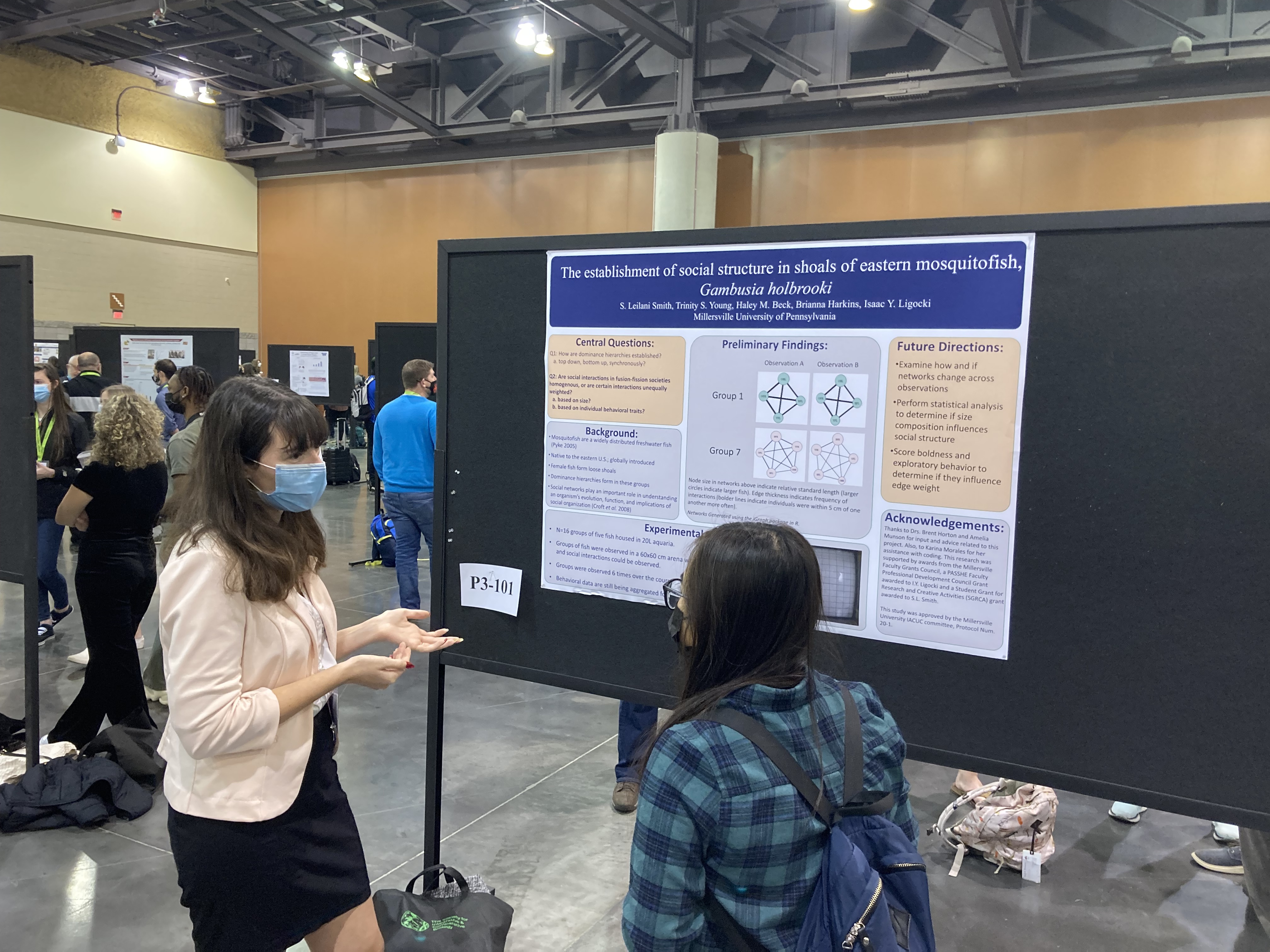
2022 started at the annual meeting of the Society for Integrative and Comparative Biologists (SICB) in Phoenix, AZ where lab members Leilani Smith and Trinity Young presented their research on social interactions in mosquitofish.
In the spring and into the summer we had several research projects taking place on the effects of pollutants on mosquitofish behavior, as well as how competition and perceived predation risk impact individual fish behavior.
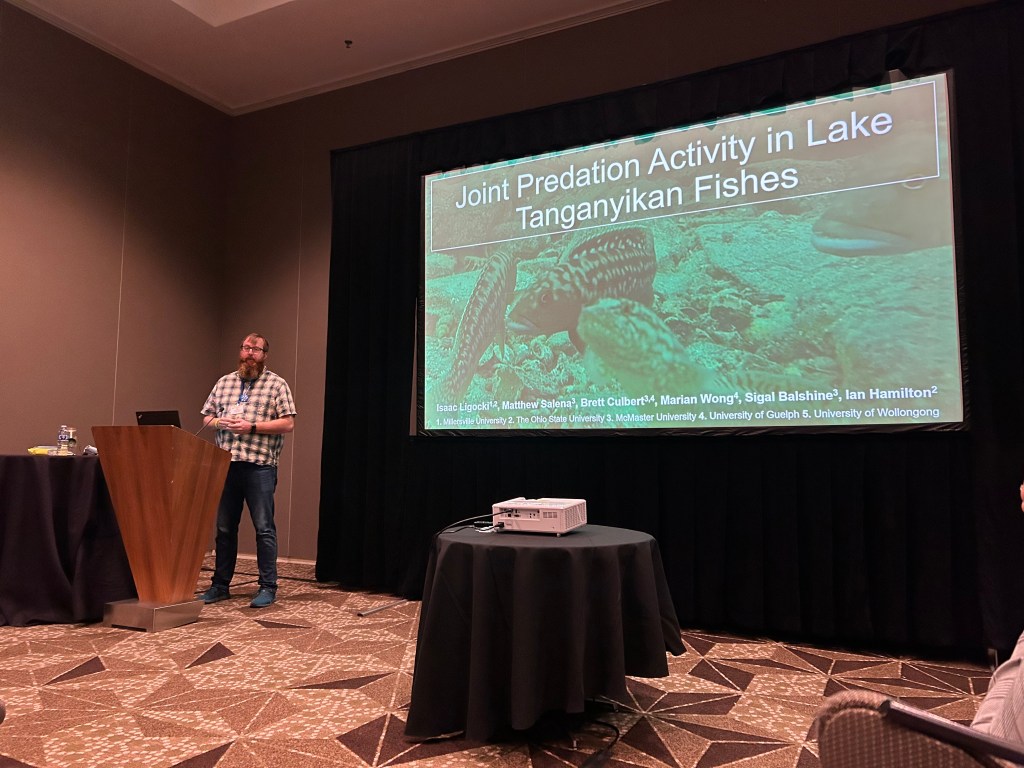
This summer I also got to attend the International Society of Behavioral Ecologists (ISBE) meeting in Stockholm, Sweden where I presented some preliminary findings on multispecies predatory aggregations by teleost fish in Lake Tanganyika. I’ll be presenting updated findings at SICB 2023 in Austin, Texas.
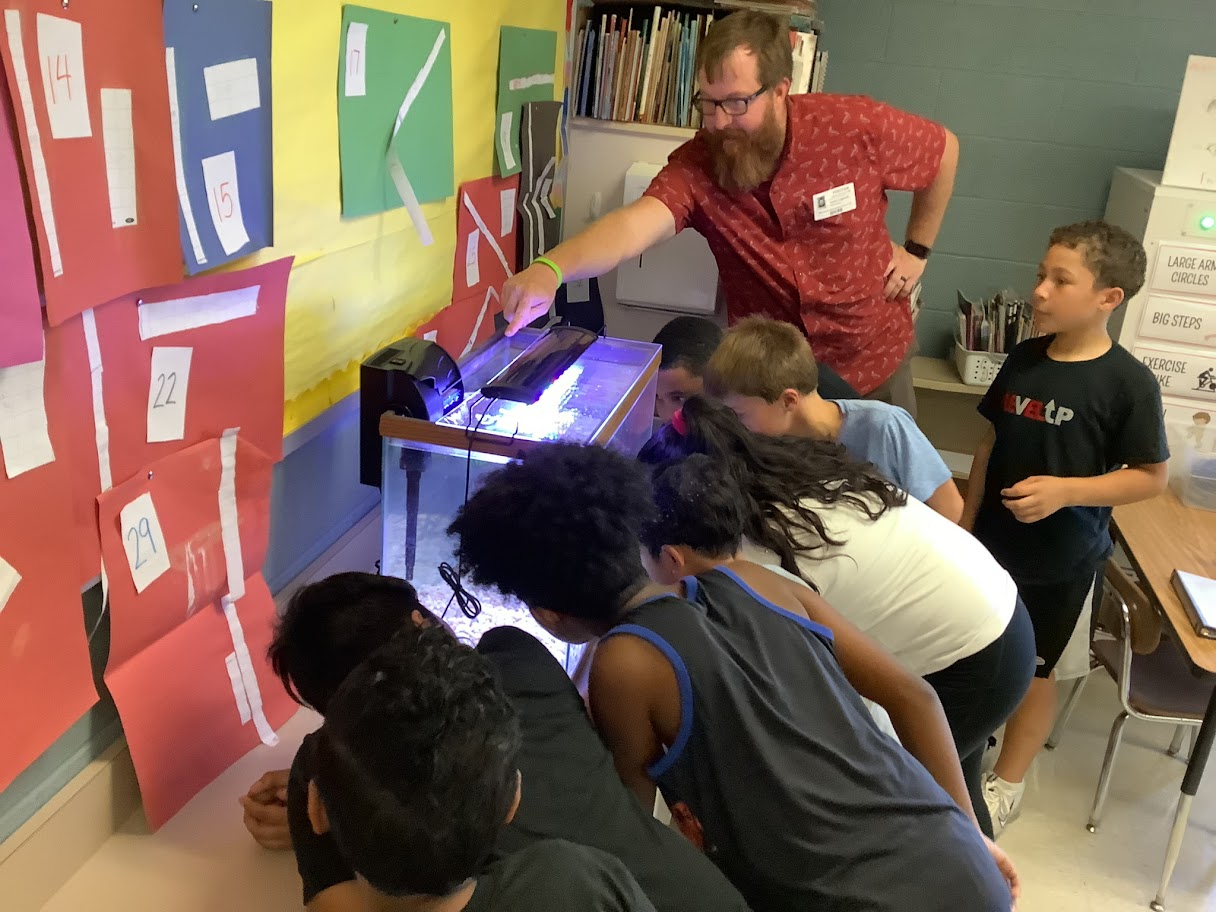
The lab has established an ongoing partnership with the 4th grade classes at Burrowes Elementary School in Lancaster, PA focused on Animal Adaptations, in particular those in fish!
Lab Alumni Updates: Leilani Smith (2022) is currently pursuing a Masters degree at University of Miami (FL). Haley Beck (2021) is an Aquarist at the Maritime Aquarium at Norwalk (CT).
Despite the pandemic it’s been an exciting and eventful year for the lab!
TEACHING:
While I had to substantially modify my course materials for online instruction, it did provide an opportunity to critically evaluate many of my assignments and approaches to teaching. I’m certainly looking forward to being back in the classroom this fall, but I can say that my courses have been improved as a result of the reflection that online teaching necessitated.
This summer I did have the opportunity to teach two courses at the Chincoteague Bay Field Stationin Virginia. It was great to be teaching in person again, and to teach field courses!
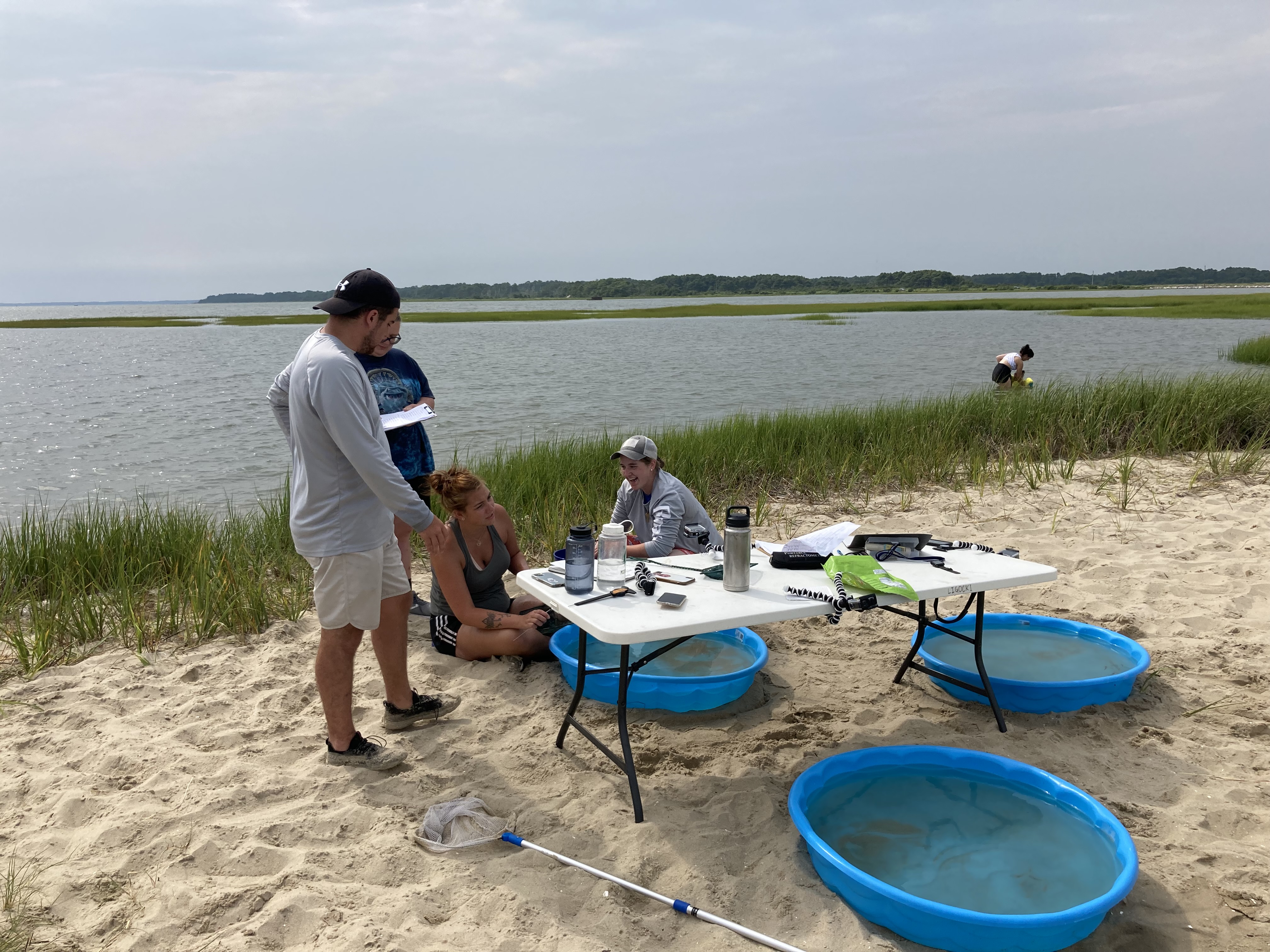
Marine Biology students seining for organisms at high tide.Marine Ichthyology students carrying out a study on shoaling behavior in striped killifish, Fundulus majalis.
STUDENT ACHIEVEMENTS:
Haley Beck (2021) and Leilani Smith (2022) both presented at the Commonwealth of Pennsylvania Biologists (CPUB) meeting held remotely on April 10, 2021. Leilani was awarded 2nd placebest student mini-presentation in her session for her presentation.
Haley Beck (2021), Leilani Smith (2022), and Trinity Young (2022) each presented at the Made In Millersville meeting held remotely on April 13th, 2021.
Haley Beck (2021) and Briana Harkins (2021) graduated!
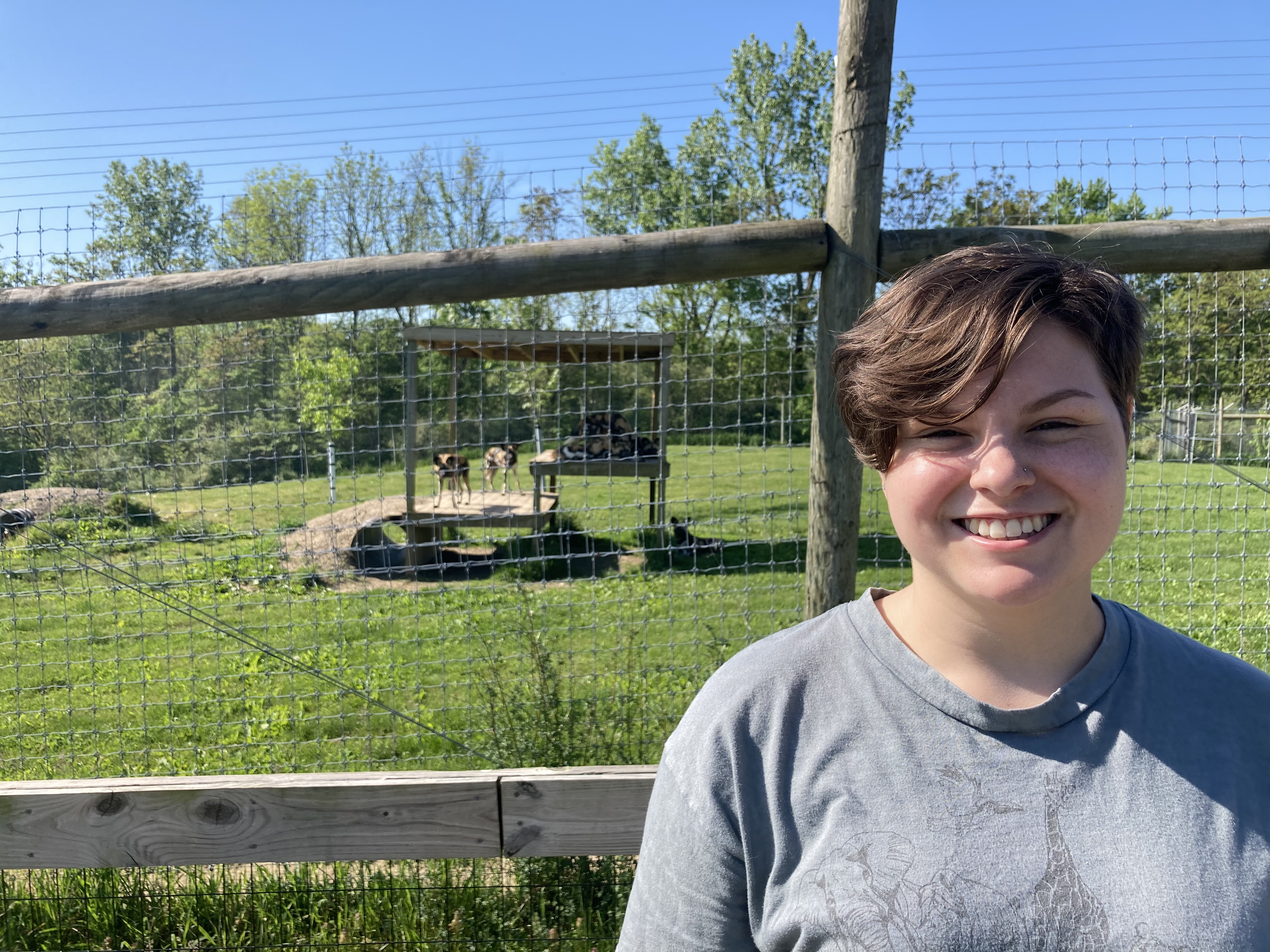
Trinity with the African Painted Dogs at The Wilds in Cumberland, OH.
Trinity Young (2022) was awarded a Mentored Undergraduate Summer Experience (MUSE) grant to support the research she has carried out this summer on social network structure in a captive population of African Painted Dogs, Lycaon pictus in collaboration with The Wilds in Cumberland, OH.
African Painted Dogs at The Wilds
Leilani Smith (2022) was awarded a Student Grant for Research and Creative Activity (SGRCA) to support her honors thesis project focused on how endocrine disrupting pollutants influence social behavior in eastern mosquitofish, Gambusia holbrooki.
OTHER EXCITING RESEARCH NEWS:
I was awarded a Faculty Professional Development Council (FDPC) award by PASSHE to support future student-led research on the impacts of endocrine-disrupting pollutants on social, reproductive, and antipredator behavior.
I was awarded the Robertson Junior Faculty Instructorship Award from Millersville University which will provide me release time from teaching during spring semester 2022 to focus on research activities taking place in the lab.
Several manuscripts associated with ongoing projects have been submitted for peer-review. Culbert et al. (2021) was accepted for publication in the journal Hormones and Behavior.
Since returning from Zambia, I jumped right into my first semester as an Assistant Professor at Millersville University. The very short summary is I love it, and I’ve never been so exhausted in my life.
I was fortunate in that in Fall 2019 prior to heading to Zambia I had time on campus to get oriented and start planning classes. I was also fortunate to have previously taught courses similar to those I’m teaching now – so I could revise and improve on materials I’d previously developed. Despite these advantages, it’s still been an extremely busy spring…
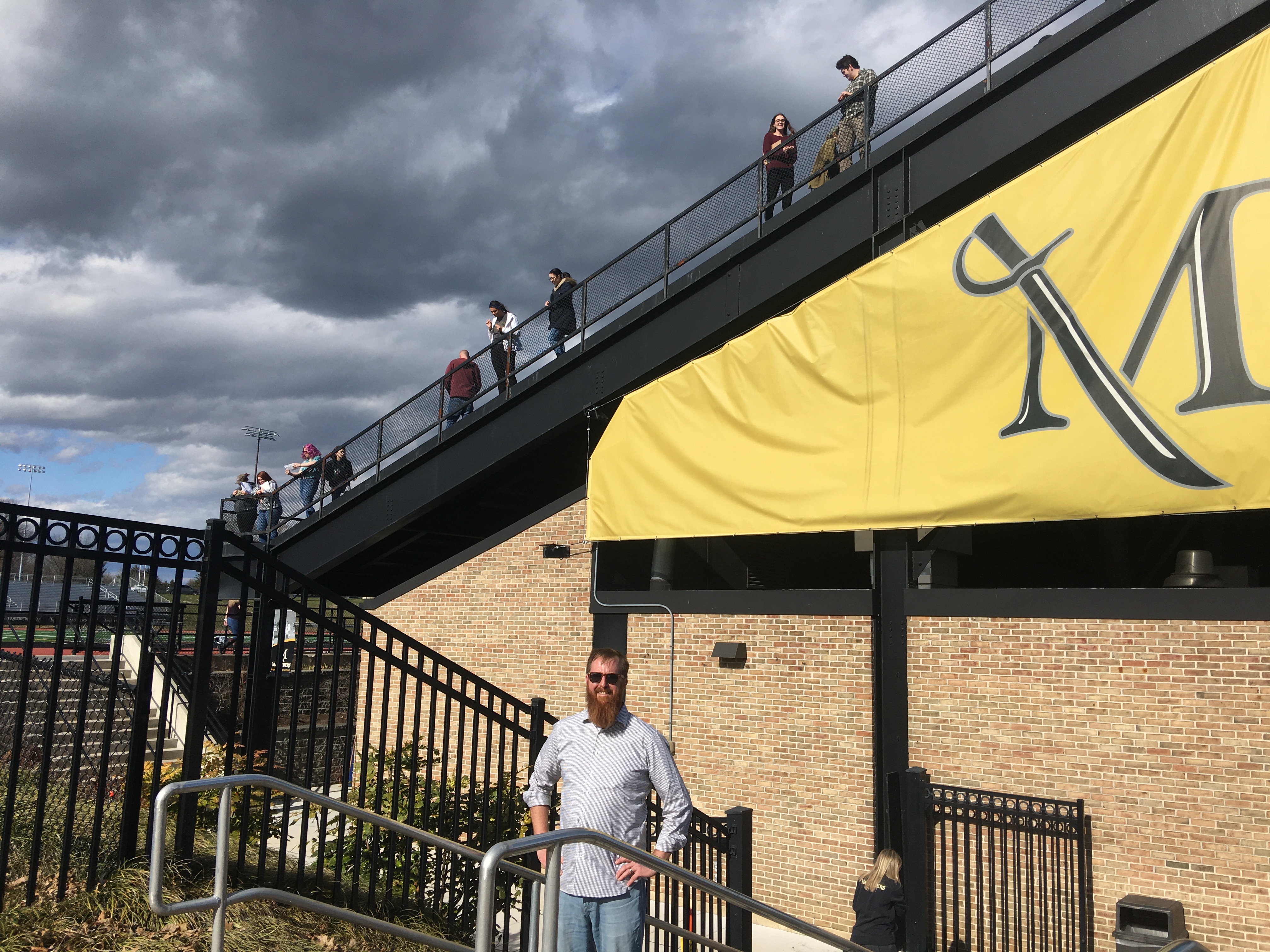
Hanging out at the stadium for the Optimal Foraging Lab in BIOL 385 – Principles of Animal Behavior.
What’s gone well:
Students are responsive, and their feedback has clearly enhanced classes. I’ve had students fill out surveys several times throughout their semester – the students have been very responsive, and I’ve been able to make positive changes to both of my lecture courses in response.
Students seem to be enjoying the classes. In addition to constructive feedback in the surveys, the general consensus seems to be the students are enjoying the courses I teach. I’ve been able to modify the curriculum to address relevant current topics including the emergence of COVID-19 and Ethics in Science.
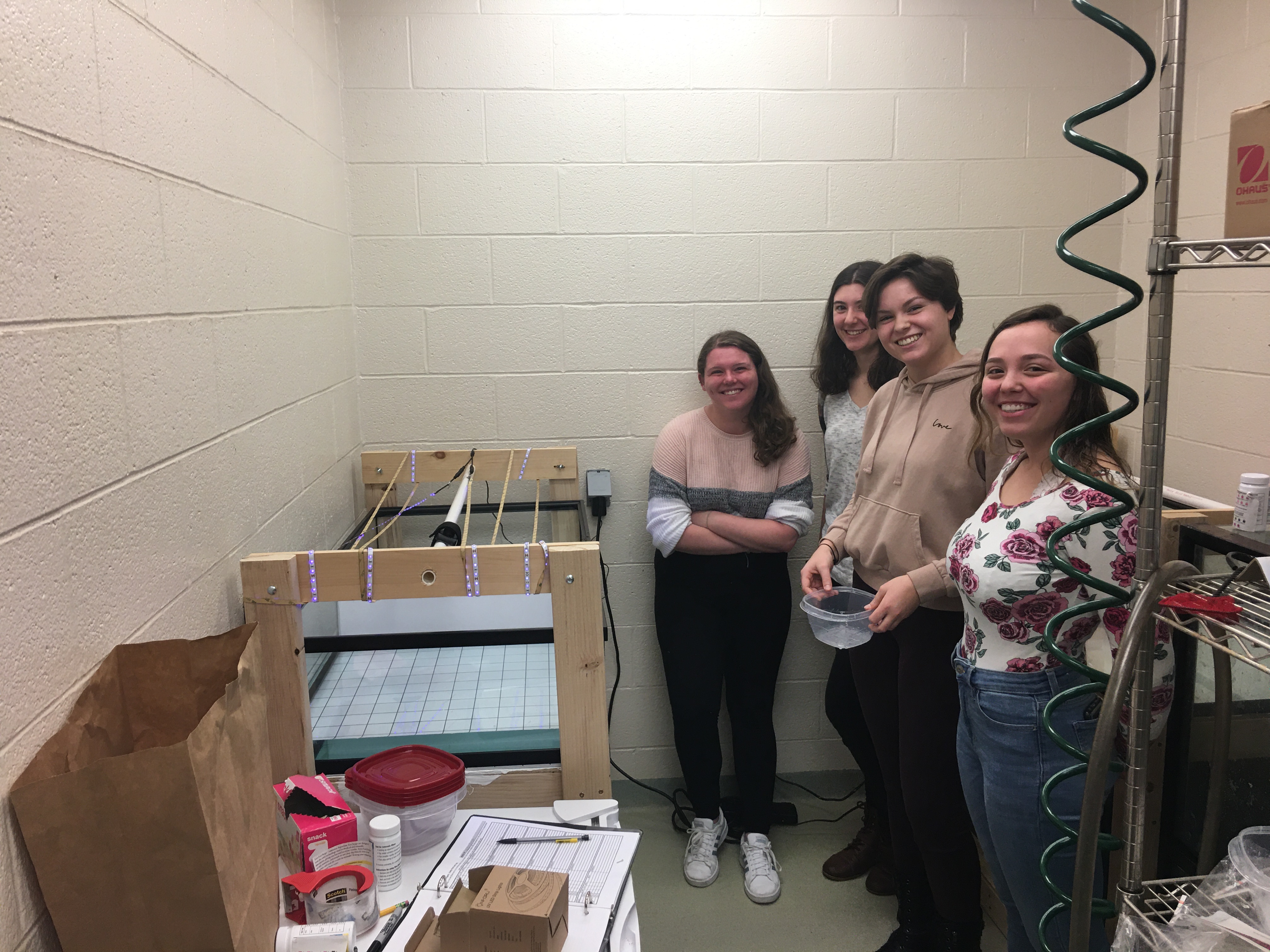
Undergraduate Research.I currently have two awesome teams of undergraduates working on research projects. One team of four have worked together to develop a project on social network establishment in Poeciliid fishes, another team of five students is analyzing 100+ hours of behavioral videos I collected from Lake Tanganyika. Watch out for some cool stuff out of these teams!
The Poeciliid Team – SP 2020
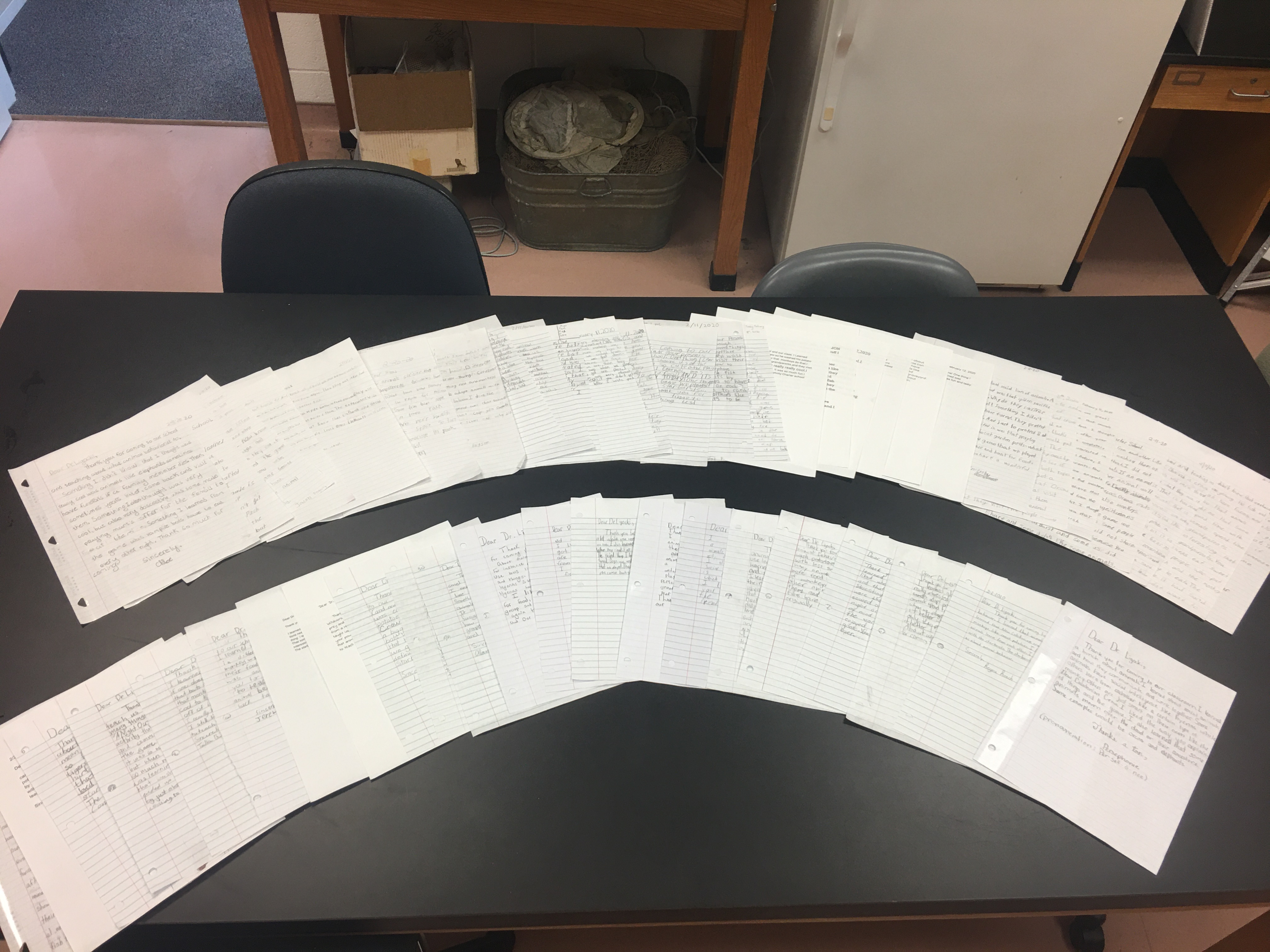
Teaching Elementary School Students about the Social Lives of Animals. I was invited to give a talk at Infinity Charter School in Harrisburg, PA. The students were a blast, and they sent me some really sweet thank you letters.
The kind Thank You letters from the awesome students of Infinity Charter School.
What I’m looking forward to improving on:
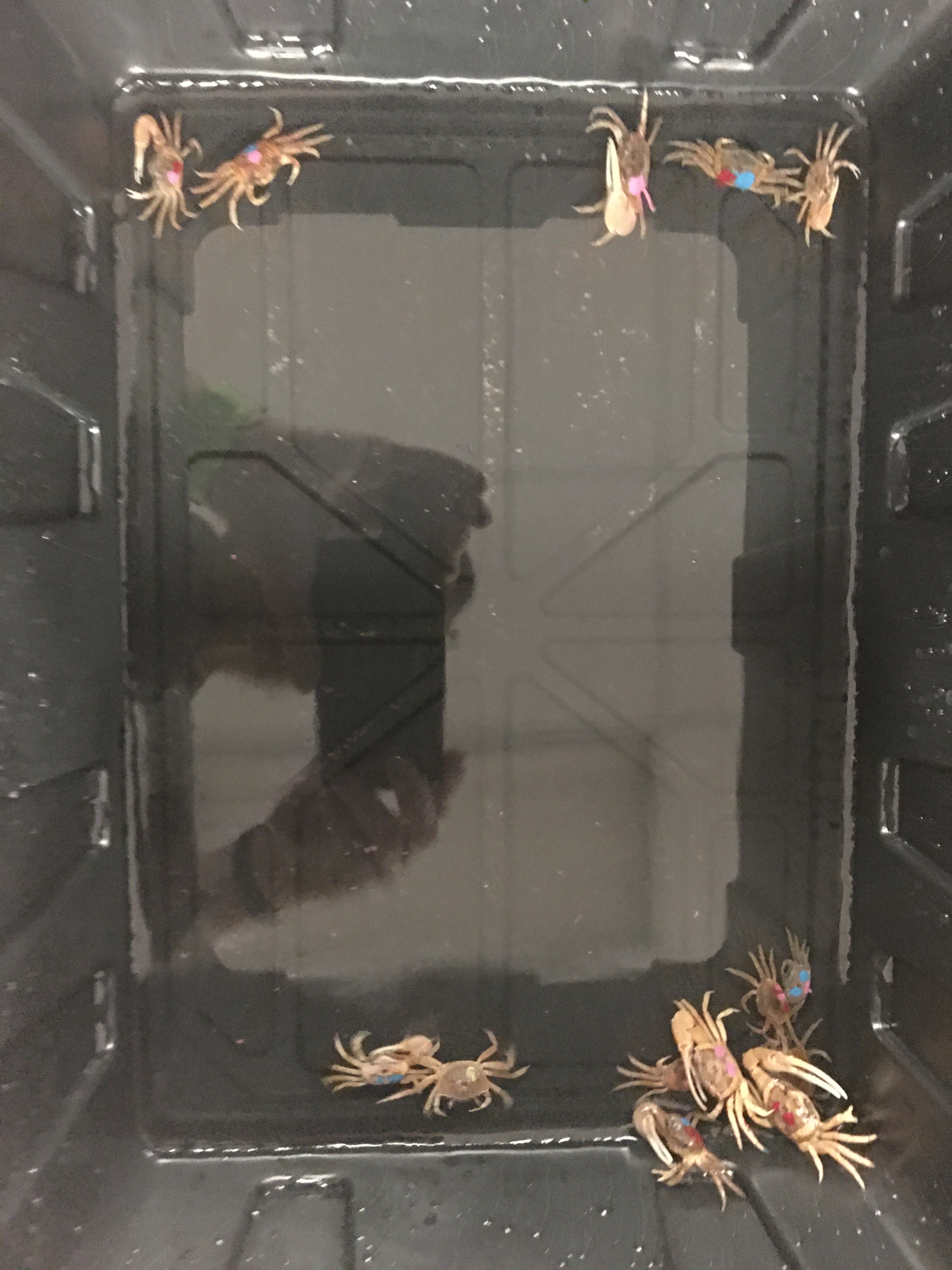
Modifying Animal Behavior labs so that students can make reasonable predictions about how the animals should behave. The labs are cool, but fiddler crabs have made my life difficult more than once this semester…
These uncooperative crabs…
Getting Involved in Collaborative Projects with my colleagues. We have a great team in the Department of Biology here at Millersville, and I’m looking forward to working with them to further enhance our curriculum, our outreach to the community, and to develop more undergraduate research opportunities for students.
Staying caught up on grading.
Establishing more connections in the area and state to better facilitate student learning.
At least it’s all graded now.
Like nearly everywhere else, Millersville University is shifting online for the remainder of the semester due to COVID-19. As frustrating and stressful as the transition to online teaching is, its presented a great opportunity to take a critical look at our content and whether and how it connects to the aims of the course.
It’s my hope we’re back on campus this summer and fall, that we’re past the main threat of the virus, and that we continue to make big things happen!
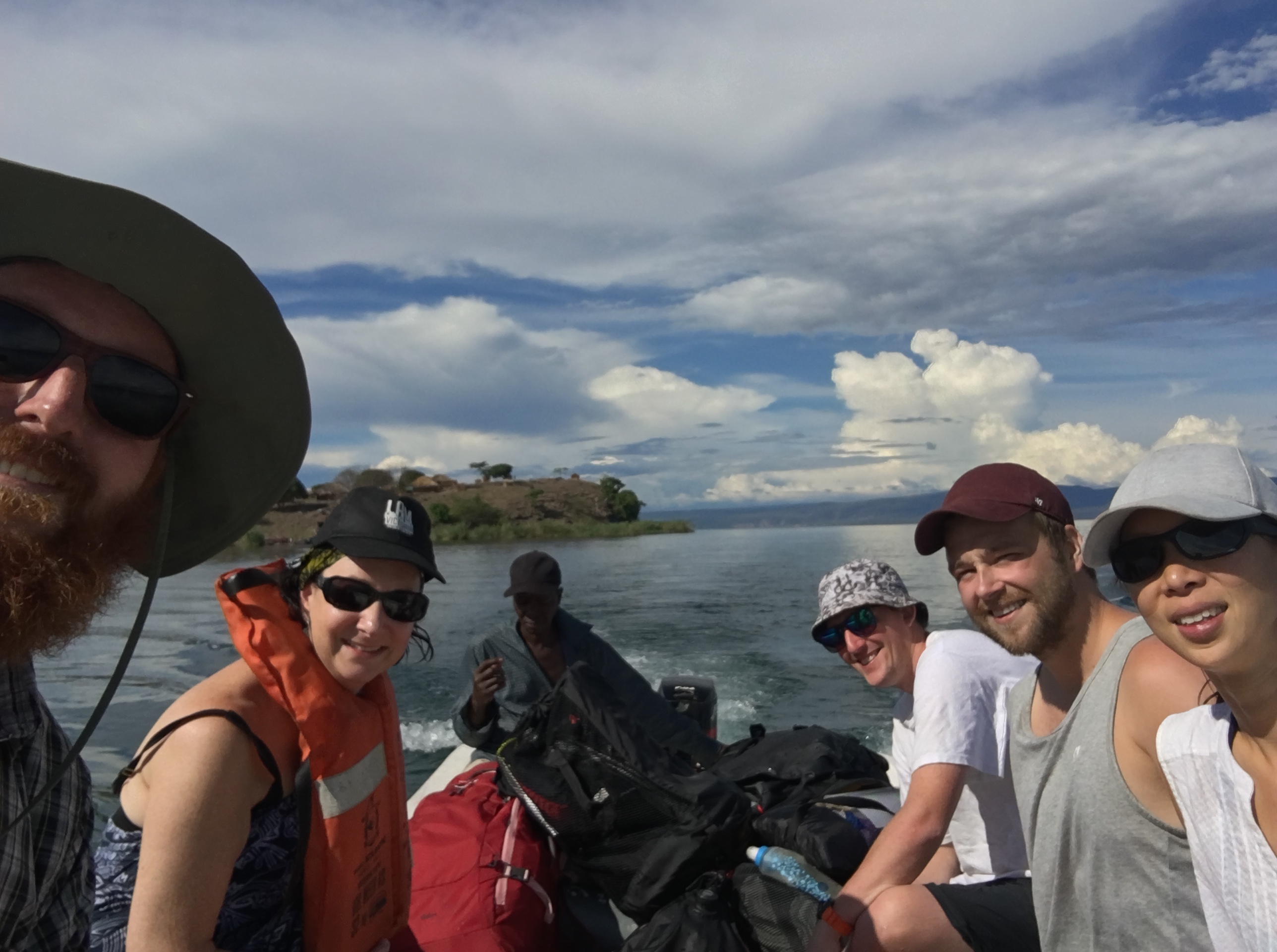
After well over a year of planning and organizing, I spent the last two months of 2019 on a research expedition to the Zambian shore of Lake Tanganyika. This expedition was a collaboration between Ohio State University, McMaster University, University of Wollongong, University of Zambia, and the Zambian Department of Fisheries. On this trip, we investigated the behavior and physiology of a group of very unique fish there.
The full team!
Several species of fish in this lake have evolved to live in complex social groups often referred to as Cooperatively Breeding Societies. In general, these societies are characterized by groups of individuals living together in groups in which not all group members reproduce, and non-reproductive group members help raise the offspring of other group members. Such societies are common in mammals and birds, but they’re extremely rare in fish. In fact, the only fish known to live in such groups are a small group of closely related cichlid fish living in one place – Lake Tanganyika. The general aim of our expedition was to study these social groups, to better understand how these social systems evolved, and to understand how the physiology of these fish relates to their unique social behavior.
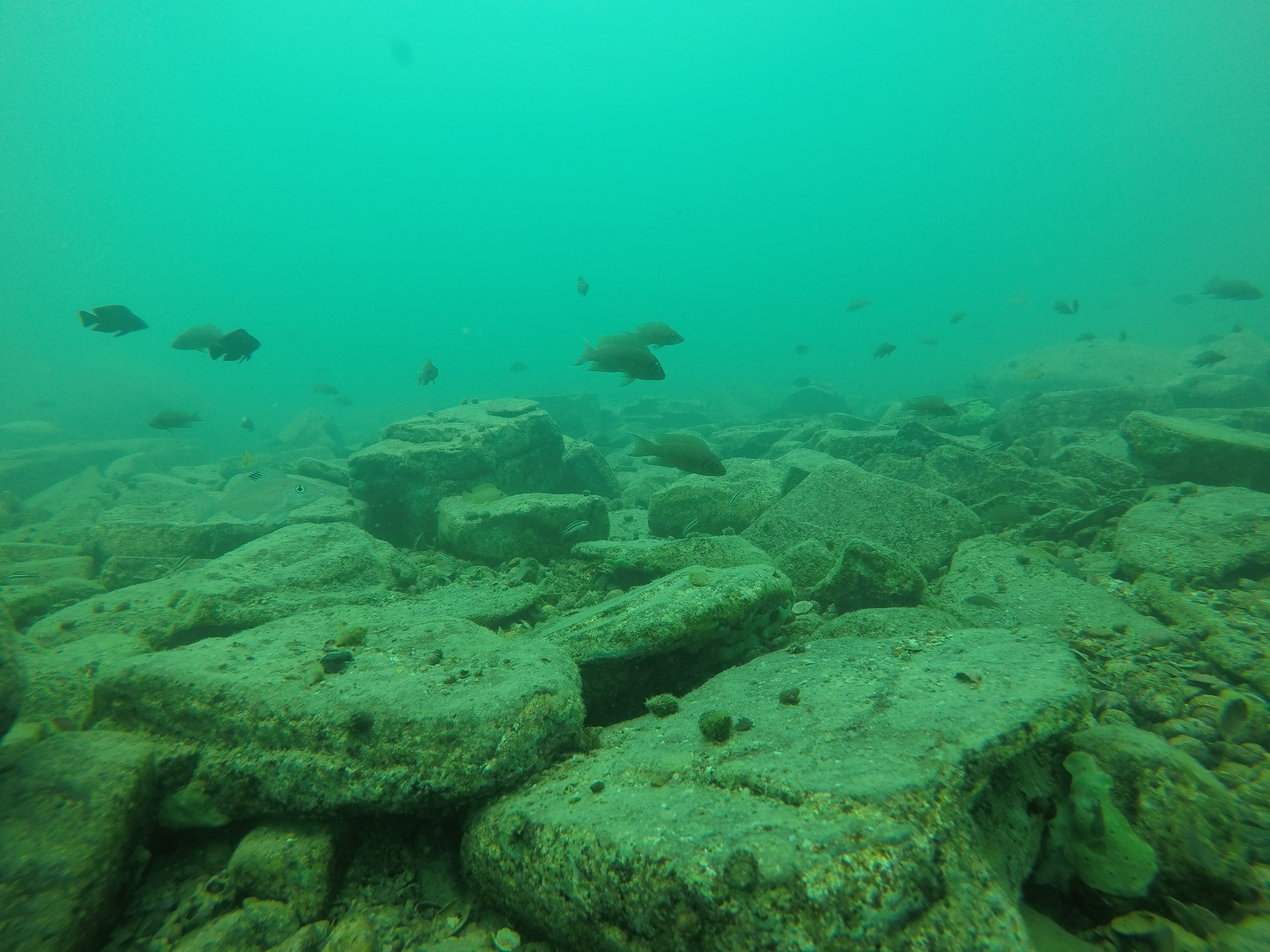
Neolamprologus pulcher swimming above the rocky habitat where they establish territories and defend nests. N. pulcher are amongst the most well-studied cooperatively breeding fish, although there is a lot we still don’t know!
We performed a number of experiments during the expedition; in the coming months we look forward to presenting our findings and I look forward to sharing them here. In this post however, I’ll highlight some of my takeaways from the trip.
Science is Collaborative. In addition to our expedition team, this trip would not have happened without the guidance and assistance of a number of other scientists. Without help from research teams at Osaka City University, University of Bern, Max Planck Institute, and University of California, Davis, we would not have been able to do our work. Since establishing relationships with these scientists, additional collaborations (and friendships) have been established.
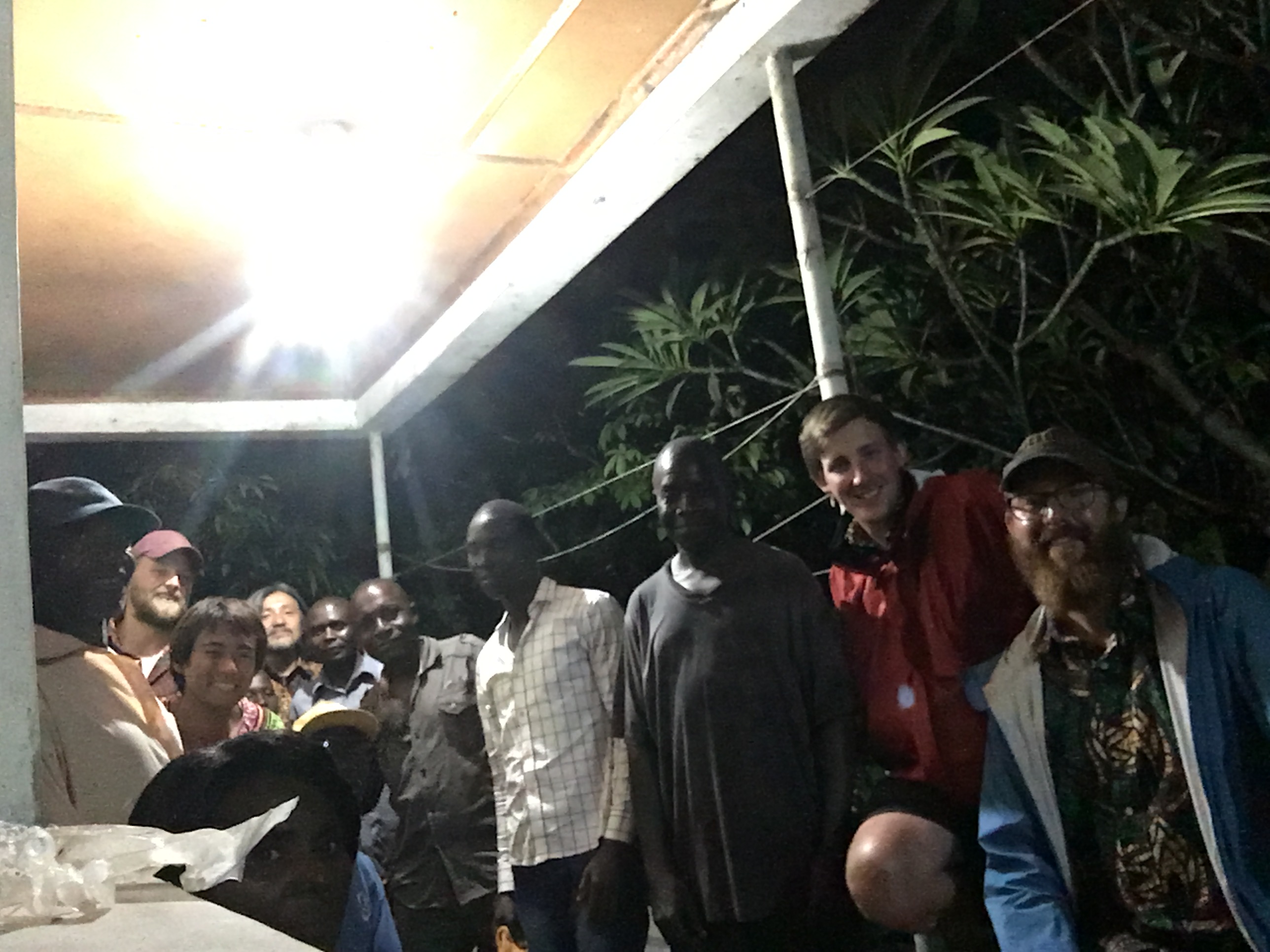
Enjoying a fun evening and delicious dinner hosted by the research team from Osaka City University.
Every scientist has experienced or heard stories of scientists not working well together. Whether being secretive and distrusting, or outright obstructing others, such interactions harm scientific progress. This expedition was an encouraging example of how scientists at different institutions can work together to everyone’s benefit.
Experiments Don’t Always Work. Things go wrong in science, especially in the field. Whether it’s bad weather, broken equipment, or simply the fact that some fish would just rather swim away than be observed, experiments rarely go exactly as planned. This is an example of how science is a creative process. Scientists need to be able to think creatively about how to solve problems and design experiments that will allow them to answer interesting and important questions.
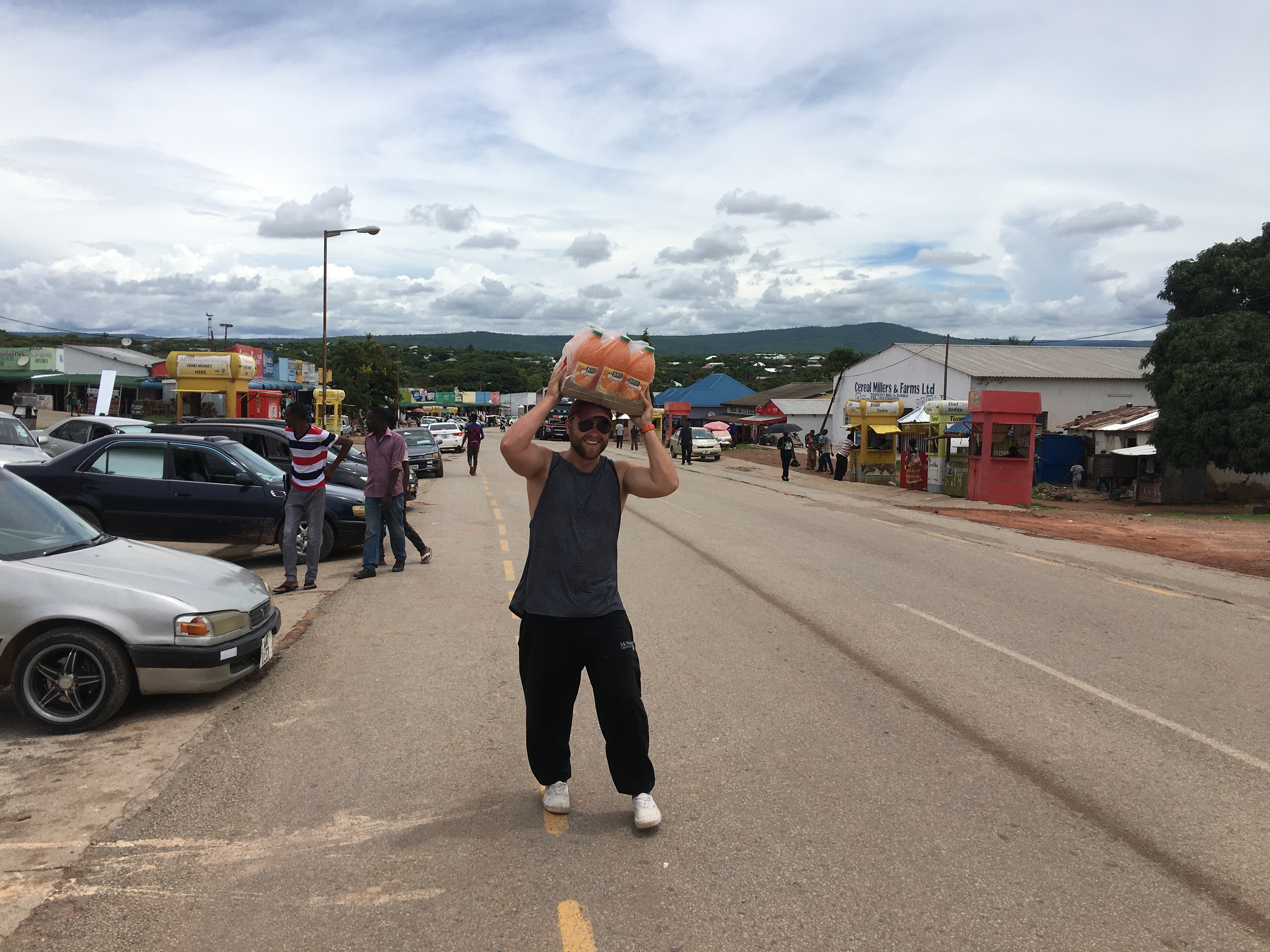
Juice bottles proved to be very useful improvised presentation chambers.
As was expected, we dealt with many setbacks along the way. But in general we were able to overcome each of them by working together and thinking creatively.
Enjoy the Experience. Opportunities like this expedition are rare. One evening while discussing the trip, we reflected on the fact that we are amongst a relatively small number of people who have dove in Lake Tanganyika. Getting there is hard enough that very few outsiders go, but to dive when you’re there is very special.
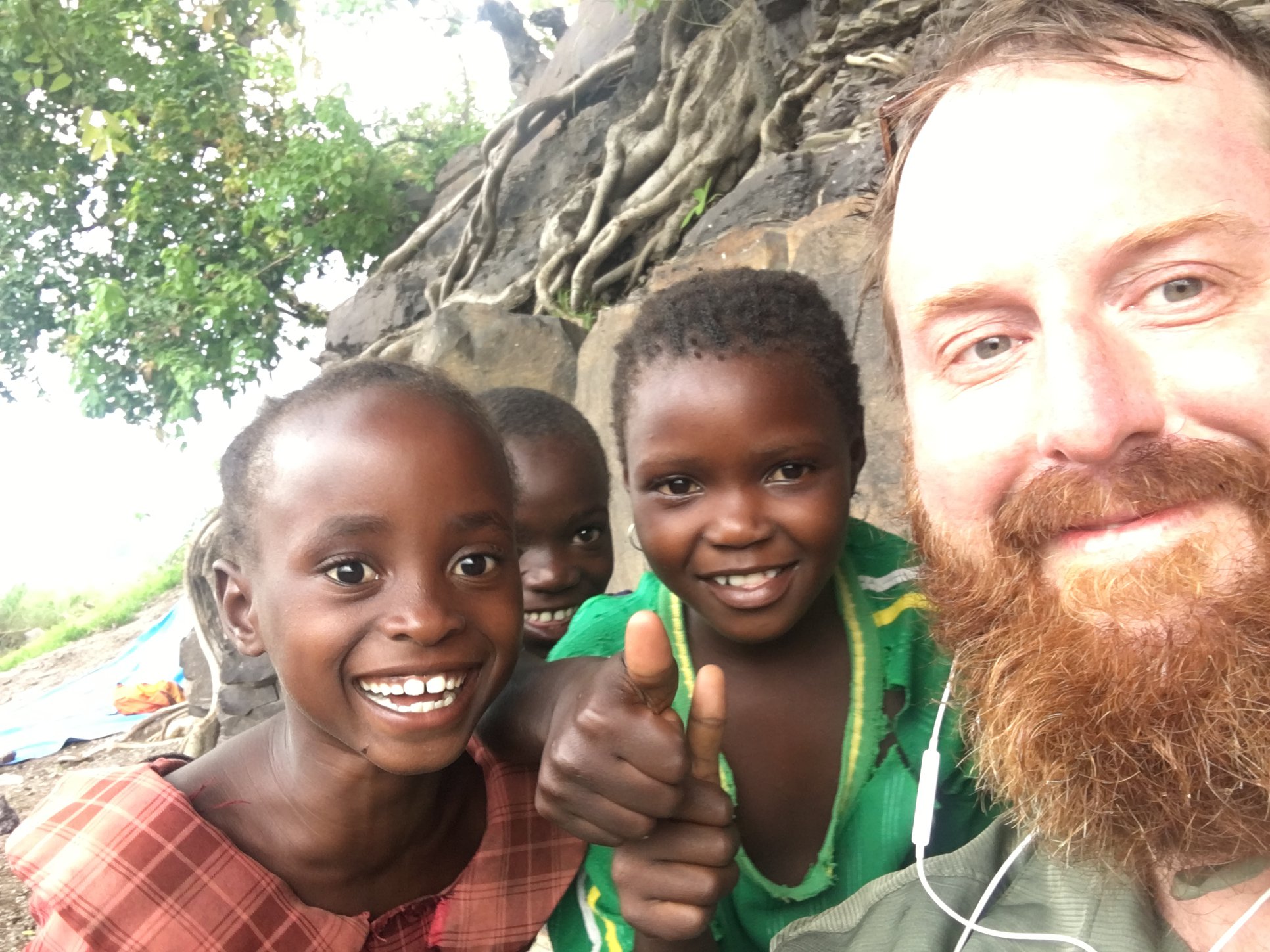
The children of Chiconde Village came to visit every day while we were diving.
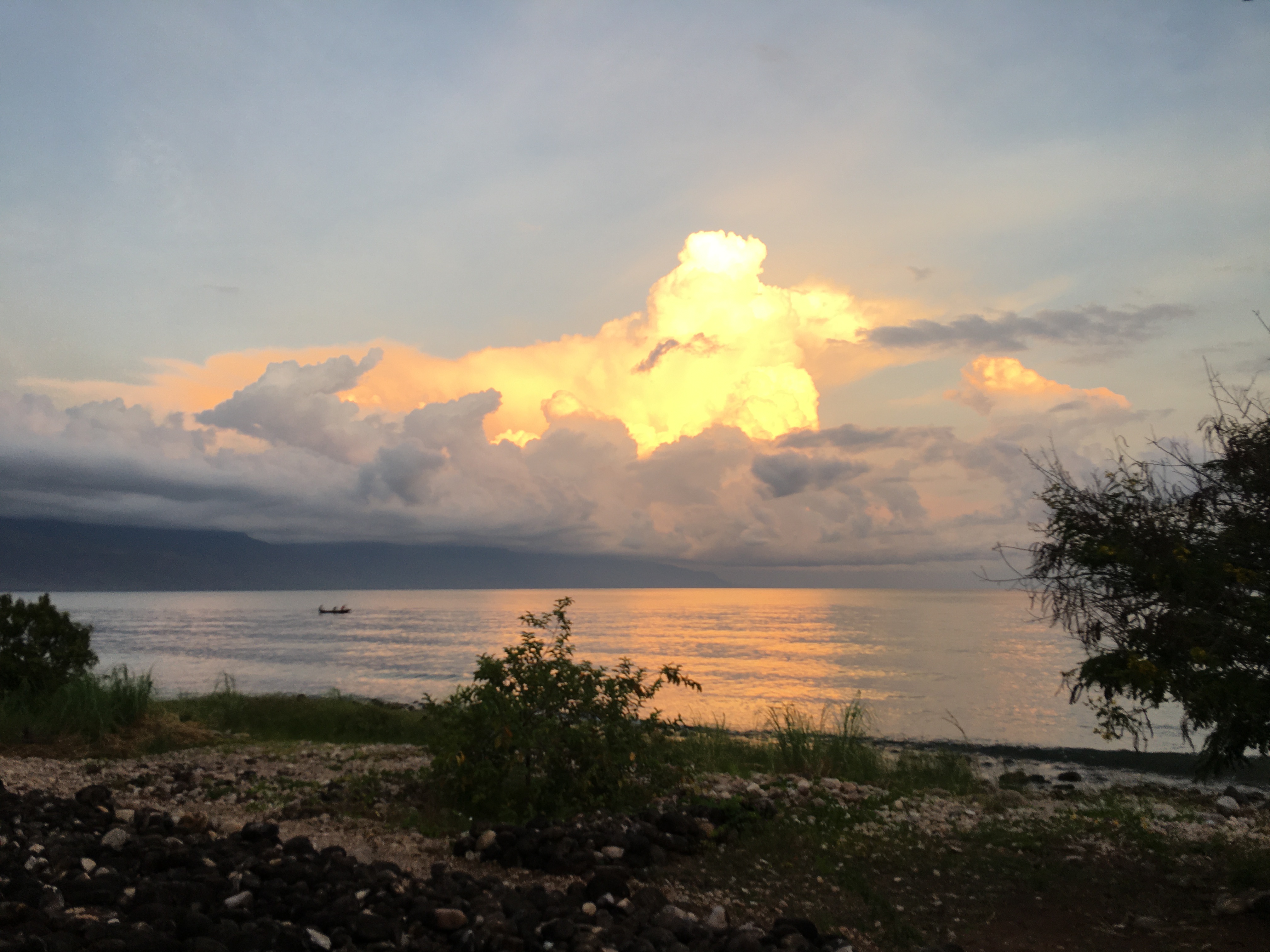
Lake Tanganyika is changing fast. Cities and villages along its shores are growing quickly, and advances in infrastructure will further facilitate future growth. In many ways this is great news for the people living near the lake; but overfishing, pollution, and urban runoff were even more apparent than when I last visited the lake in 2013. I hope the people of Zambia and the other countries bordering the lake are able to preserve the lake and its valuable resources for future generations. Lake Tanganyika is truly a special place, and not only because of its unique fish.
I’m excited to be home and to start my new position at Millersville University in a few weeks, but I hope I get the opportunity to return to Lake Tanganyika soon!

















 The Ligocki Research Group